Clint Eastwood’s Cry Macho: Hidden Depths Behind the Failure
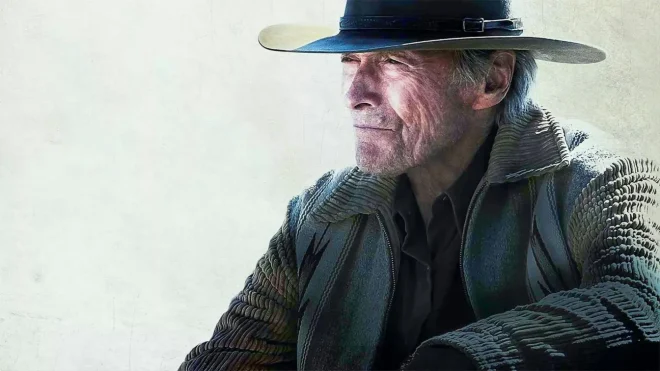
Clint Eastwood’s Cry Macho failed to resonate with audiences and critics upon release, but beneath its disappointing reception lies a deeply personal project for the veteran filmmaker, reflecting his enduring themes of redemption, vulnerability, and the search for meaning late in life.
TL;DR
- Cry Macho underperformed at the box office in 2021.
- The film presented a unique take on masculinity.
- Clint Eastwood‘s direction couldn’t secure commercial success.
A Risky Return to the Screen
When Clint Eastwood returned to direct and star in Cry Macho in 2021, hopes were high for both critical and commercial acclaim. The Hollywood legend, known for his deep understanding of American mythos, brought to life a story that dared to challenge traditional perceptions of masculinity. Despite such ambition and pedigree, the film’s performance was far from the blockbuster many had anticipated.
The Complexity Behind the Box Office Failure
While expectations loomed large, audiences failed to flock to theaters. Several factors explain this decision:
- Pandemic-era hesitancy towards cinema attendance,
- A narrative style that diverged from mainstream tastes,
- And perhaps fatigue with familiar themes re-explored by veteran filmmakers.
Cry Macho offered neither the adrenaline-charged spectacle nor the neat resolutions favored by wide audiences. Instead, it unfolded at a reflective pace, favoring introspection over action—an approach that didn’t convert into ticket sales.
A Singular Perspective on Masculinity
What truly set the film apart was its exploration of what it means to be a man in contemporary society. Rather than glorifying old tropes, Eastwood’s character grappled with vulnerability and redemption—a nuanced portrayal rarely seen in modern Westerns. This perspective offered fresh insight but also may have alienated viewers expecting more conventional storytelling.
Legacy Beyond Numbers?
Ultimately, while its box office receipts labeled it an “failure,” Cry Macho‘s true value might lie elsewhere. As is often the case with art that takes risks, appreciation sometimes comes long after initial release. For those willing to look beyond numbers and fame, Eastwood’s work still prompts timely questions about identity, resilience, and change within American culture—a testament to an enduring if overlooked cinematic voice.