Lung Cancer Detection: New Biomarker Could Revolutionize Screening
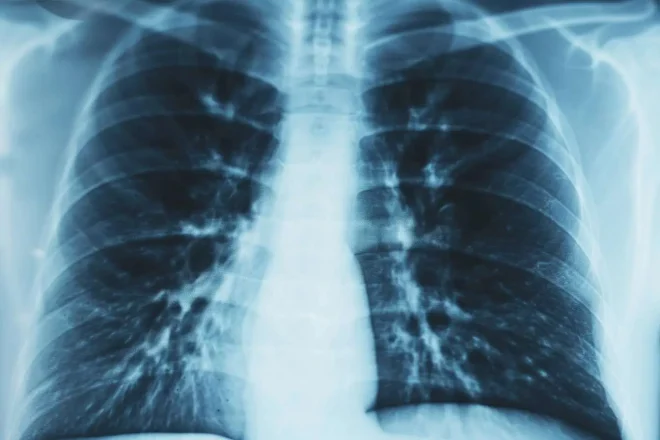
Researchers are investigating a promising biomarker that may transform how lung cancer is detected. This discovery could lead to earlier diagnosis, improved screening methods, and potentially better outcomes for patients facing this challenging disease.
TL;DR
- Granada researchers discover promising TUSC7 biomarker.
- TUSC7 aids in distinguishing tumor from healthy tissue.
- Potential to predict treatment response improves cancer care.
New Insights from Granada Researchers
A scientific team based in the Spanish city of Granada has reported a significant step forward in the fight against cancer, revealing their discovery of a novel biomarker: TUSC7. This finding could refine how medical professionals identify tumor tissue and tailor treatment approaches with greater precision.
The Role of TUSC7 in Oncology
For oncologists, one enduring challenge remains reliably differentiating between malignant and healthy tissues. The newly identified TUSC7 biomarker may address this issue by providing a clearer molecular distinction. According to researchers at the University of Granada, TUSC7’s presence or absence helps clarify which cells have turned cancerous, a crucial first step for both diagnosis and therapeutic planning.
Implications for Personalized Medicine
Beyond merely distinguishing tissues, the research hints at broader implications. Several factors highlight TUSC7’s potential benefits:
- It could help predict how individual patients will respond to certain cancer treatments.
- This may enable doctors to select therapies more likely to be effective on a case-by-case basis.
- It supports ongoing efforts to reduce unnecessary or ineffective interventions for patients.
Given these possibilities, the identification of TUSC7 dovetails with trends toward personalized medicine — a direction that many in the medical community view as essential for future progress.
The Road Ahead
While the results emerging from the work of the Granada researchers are certainly promising, further studies remain necessary before TUSC7 can be adopted widely in clinical practice. Still, their efforts add a valuable piece to the complex puzzle of cancer diagnostics and therapy selection. As science inches closer to customized oncology solutions, discoveries such as this one underscore both the challenges and opportunities facing modern medicine.