Air France Adjusts 130 Flights to Reduce Climate Impact
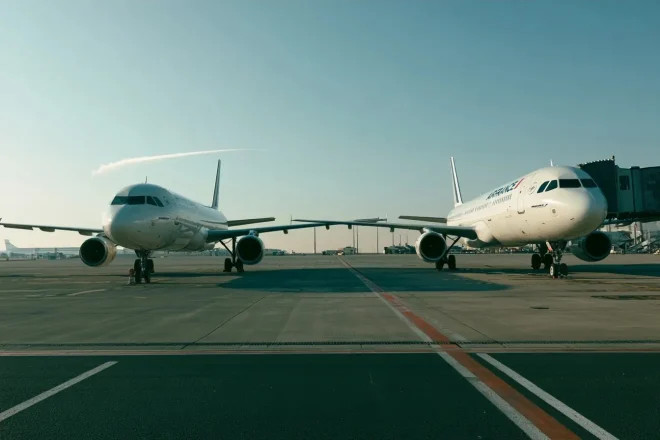
Air France is making significant adjustments to its flight operations, modifying 130 routes as part of its efforts to reduce environmental impact. The airline aims to address climate concerns by optimizing its network for greater sustainability.
TL;DR
- Air France modifies 130 transatlantic routes for climate test.
- Goal: reduce contrails and environmental impact by 2026.
- Pilot project closely monitored by industry observers.
A Modest Step in Aviation’s Environmental Journey
This year, Air France has announced an adjustment to 130 of its transatlantic flight paths, a move that reflects the airline’s growing attention to the issue of aircraft-generated condensation trails—more commonly known as contrails. The initiative, though limited in scale, signals a broader industry willingness to experiment with operational changes that could help mitigate aviation’s environmental footprint.
What Are Contrails and Why Do They Matter?
Contrails form when hot aircraft exhaust meets cold, moist air at high altitudes, creating thin, icy clouds that can linger in the sky. Although they might seem harmless, scientific studies have linked these trails to an increase in atmospheric warming—sometimes even exceeding the climate impact of direct carbon emissions from planes. For airlines like Air France, tackling this challenge is no small feat, especially given the complexity of flight planning across the busy skies of the North Atlantic.
The Scope and Limitations of Air France’s Test
The pilot program involves recalibrating specific flight routes scheduled for 2026, with the aim of minimizing contrail formation. Several factors explain this decision:
- Selecting altitudes less prone to ice crystal formation
- Avoiding meteorological conditions most likely to produce persistent trails
- Testing fuel efficiency impacts alongside climate benefits
However, it’s important to recognize that only a fraction of Air France’s total flights will participate in this first phase. Nonetheless, experts and rival airlines are watching closely—hoping these efforts can eventually be scaled up across the sector.
An Industry Experiment Under Watchful Eyes
For many environmental advocates and policymakers, this adjustment represents both a cautious experiment and a sign that major carriers are beginning to take their role in fighting climate change more seriously. Whether these modest route changes translate into measurable reductions in aviation’s overall warming effect remains to be seen—but there’s little doubt this trial by Air France is an early step towards a more sustainable aviation future.