Japan Reaches 100,000 Centenarians Amid Rapid Population Aging
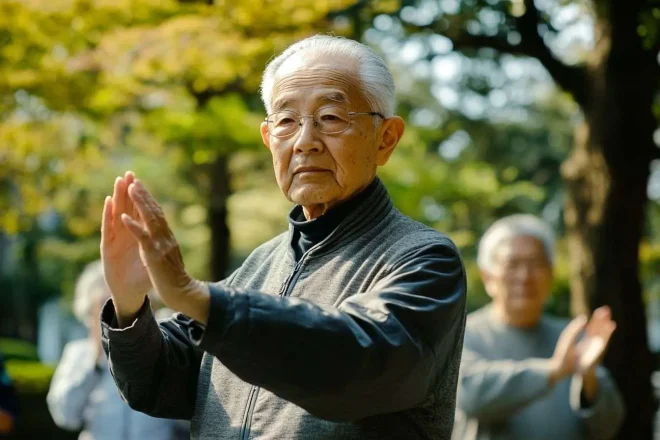
Japan has reached a remarkable demographic milestone, with its centenarian population surpassing 100,000. This growing number of citizens aged 100 and over highlights the profound challenges posed by an increasingly aging society.
TL;DR
- Japan now has over 100,000 centenarians.
- Nine out of ten are women.
- Milestone highlights Japan’s demographic challenges.
Japan Surpasses 100,000 Centenarians: A Demographic Milestone
A remarkable record has been reached in Japan: more than 100,000 residents aged 100 or older now live across the archipelago. This unprecedented figure, recently released by official sources, casts a fresh spotlight on the country’s persistent and pressing demographic concerns.
Women Lead in Longevity
Of particular note, an overwhelming majority of these centenarians—around nine out of every ten—are women. This trend reflects longstanding patterns in Japanese society where female longevity consistently surpasses that of men. The reasons for this imbalance are complex, involving a combination of genetics, lifestyle habits, and access to high-quality healthcare.
Demographic Pressure Intensifies
While it is tempting to celebrate this extraordinary achievement in longevity, the implications for Japanese society are considerable. The rapid growth in the population of those over 100 years old underscores the mounting demographic pressure facing the nation. Several factors explain this growing strain:
- A persistently low birth rate.
- An ever-increasing proportion of elderly citizens.
- Stagnant or declining working-age population numbers.
This demographic shift places immense pressure on social security systems, healthcare infrastructure, and the labor market. Policymakers have repeatedly sounded the alarm about sustainability as Japan ages faster than almost any other developed country.
A Glimpse at Possible Futures
Experts believe that Japan’s current situation could serve as a glimpse into the future for other nations experiencing similar demographic changes. As societies worldwide grapple with longer life expectancies and falling birth rates, questions around caregiving, pension systems, and workforce adaptation become ever more urgent.
It is clear that reaching this symbolic threshold—over 100,000 centenarians—is not only a testament to advances in public health and quality of life but also a stark reminder of the challenges ahead. How Japan chooses to address these pressures may soon provide lessons well beyond its shores.