Europe Considers Windfall Tax on Oil Company Superprofits
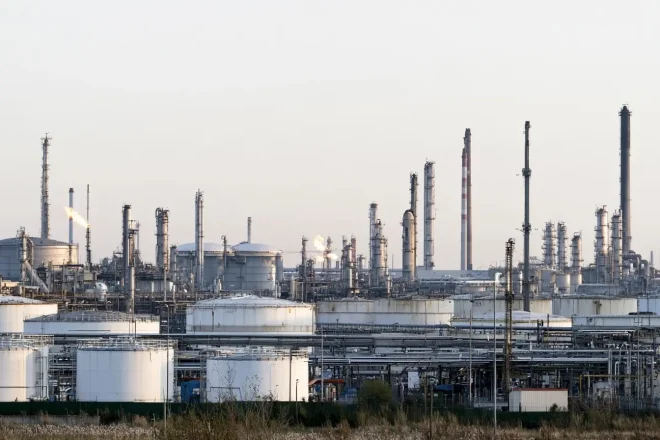
Across Europe, mounting calls for a windfall tax on oil industry profits are intensifying. Governments and citizens alike are scrutinizing soaring energy company earnings amid economic strain, fueling debate over fair taxation and social responsibility within the sector.
TL;DR
- Six EU countries propose tax on oil company profits.
- Goal: fund support amid rising energy costs.
- Proposal reopens debate over energy sector fairness.
European States Renew Push for Oil Profits Tax
As energy prices surge across the continent, a coalition led by Germany has brought back to the forefront the controversial idea of a European tax targeting the extraordinary profits of major oil companies. This renewed proposal, which includes five other European Union member states, aims to raise vital funds to alleviate the growing burden on citizens and businesses facing escalating energy bills.
A Solution Amid Energy Price Volatility
The dramatic increase in energy costs has left many Europeans grappling with affordability issues. Several governments believe that oil producers have reaped disproportionate benefits from recent global market volatility. In response, these six countries are urging their partners within the EU to consider implementing a coordinated levy on so-called “windfall profits” earned by large petroleum firms. The intention is clear: redirect part of these significant gains to finance public support measures for those most affected by high utility prices.
Key Arguments and Policy Objectives
Proponents of this initiative cite multiple motivations behind their push:
- Ensuring social equity during periods of intense economic pressure
- Enhancing fiscal capacity for state-led relief programs
- Reinforcing public trust in fair market practices within the energy sector
Advocates argue that without such a measure, households and small businesses would continue to bear an unfair share of the burden, while multinational oil giants enjoy record earnings.
Challenges Ahead for Implementation
Despite growing support among several states, enacting a unified European tax faces formidable obstacles. Dissent remains among some member nations wary of interfering with market mechanisms or imposing further regulatory complexity. Moreover, reaching consensus at the EU level often proves difficult when national interests diverge.
Yet as winter approaches and price pressures persist, momentum appears to be building behind this proposal. The debate promises to test Europe’s ability to balance economic pragmatism with social responsibility—especially as voters expect swift action on issues directly impacting their daily lives. How far this renewed effort will go remains uncertain, but it has undeniably reignited conversation around fairness and solidarity in Europe’s evolving energy policy.