Typhoon Dujuan Hits Japan: Death Toll and Major Damage
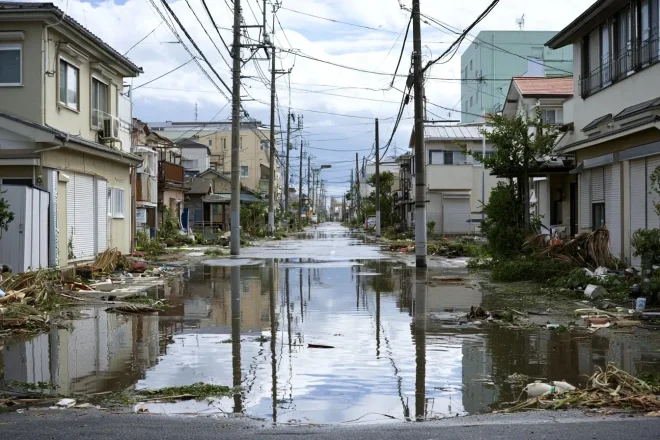
In Japan, Typhoon Dujuan has resulted in fatalities and significant destruction. The storm’s passage left communities grappling with damage to infrastructure and disrupted daily life, as authorities work to assess the full extent of the impact.
TL;DR
- Typhoon Dujuan caused at least four deaths near Tokyo.
- Power outages and missing persons worsen the crisis.
- Landslides further complicate rescue operations.
Severe Toll Near Tokyo
The passage of Typhoon Dujuan has left a profound mark on Japan, with the brunt of its devastation felt in areas surrounding Tokyo. Authorities have confirmed that at least four individuals lost their lives, underscoring the storm’s intensity and the vulnerability of communities in its path.
A Cascade of Crises
Unfortunately, the aftermath brings more than just a death toll. In addition to fatalities, local officials report multiple missing persons—many feared trapped or unaccounted for following the typhoon’s destructive sweep. Several factors explain this precarious situation:
- Power outages affecting thousands of households, cutting off vital services
- Landslides triggered by torrential rains, hindering emergency access
- The uncertainty over missing residents complicating search efforts
Emergency Response Hampered
Search-and-rescue teams face daunting challenges as they navigate debris-strewn streets and mud-choked rural roads. Communication disruptions further impede their work, with many communities isolated due to collapsed infrastructure. As emergency workers attempt to restore order and locate survivors, the scale of the disaster becomes ever clearer.
Looming Uncertainty Ahead
While cleanup has begun, residents remain wary of ongoing risks. Experts warn that unstable slopes could give way to additional landslides if rains persist. Meanwhile, local authorities are urging those in affected zones to heed evacuation advisories and to remain alert as restoration crews race against time.
In all, the fury of Typhoon Dujuan serves as another sobering reminder of the region’s exposure to natural disasters—and the resilience required in their wake.