Digital Health: New Strategy to Reduce Medical Device Waste
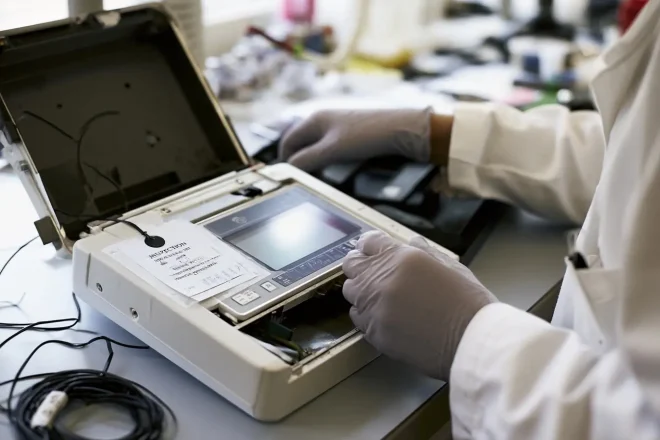
France’s new digital health strategy aims to curb the widespread waste of resources in healthcare technology by promoting more sustainable and efficient practices, addressing long-standing concerns about environmental impact and unnecessary obsolescence in the sector.
TL;DR
- Europe pioneers digital medical device reuse and recycling.
- New method upholds high safety standards for patients.
- Initiative targets environmental and technological challenges.
Groundbreaking European Initiative Targets Medical Device Waste
Efforts to minimize the environmental impact of healthcare are accelerating, as a new European project has crafted the first concrete framework for the reuse and recycling of digital medical devices. The move seeks to address mounting concerns over electronic waste, while safeguarding the stringent safety requirements unique to the medical field.
A Concrete Method for Reuse and Recycling
This initiative, led by several key partners across the European continent, delivers a step-by-step method that allows obsolete or lightly used medical technologies—ranging from monitors to diagnostic tools—to be given a second life. Instead of ending up in landfills, these sophisticated devices can now be restored or recycled responsibly.
Several factors explain this decision:
- The surging volume of digital medical equipment in hospitals and clinics;
- The complex regulations governing patient safety;
- The urgent need to reduce healthcare’s environmental footprint.
By laying out clear procedures, the project aims to reassure both healthcare professionals and patients that safety will never be compromised in pursuit of sustainability.
Navigating Safety Challenges
Ensuring absolute reliability is no small feat when reusing devices designed for critical care. The method developed includes rigorous protocols for cleaning, testing, and certifying each piece of equipment before it is redeployed. According to contributors within the project, maintaining trust in medical technology was paramount—and every step has been designed with transparency and security at its core.
A Broader Push Toward Responsible Innovation
While much attention has focused on consumer electronics recycling, digital medical equipment presents a far more complex challenge due to regulatory oversight and technical demands. By setting a standard that does not trade away patient safety, this European approach could inspire similar efforts beyond its borders.
It remains to be seen how quickly national health systems will embrace this path. However, as both public health and sustainability rise higher on policy agendas, initiatives like this stand out—not only as practical responses but also as signals of a changing mindset within the industry.