Trump Links French Student Protests to Immigration Issues
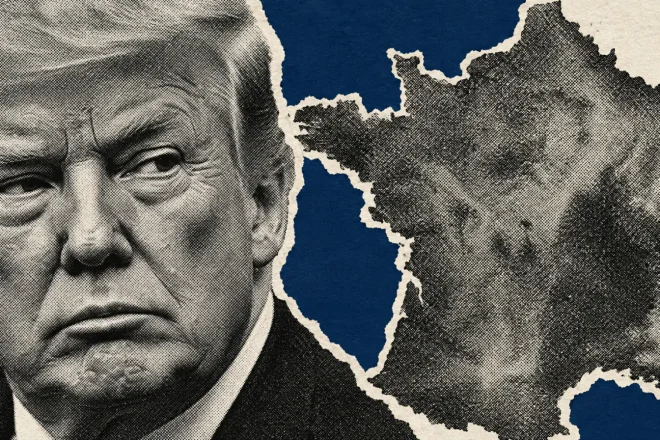
Donald Trump has drawn a connection between recent unrest among French high school students and immigration issues in France, weighing in on ongoing debates about the root causes of youth protests and social tension in the country.
TL;DR
- Trump links French protests to Islam and immigration.
- MAGA-aligned figures echo his controversial interpretation.
- Debate grows over causes of unrest in France.
Trump’s Take on French Protests Sparks Debate
Recent remarks from Donald Trump, former President of the United States, have once again ignited controversy on both sides of the Atlantic. In a pointed intervention, Trump connected the ongoing wave of youth-led protests in France to what he described as problems stemming from Islam and increased immigration. The comment, made via his favored social platforms, drew sharp reactions within hours.
MAGA Voices Amplify Trump’s Interpretation
While many political observers in Europe dismissed or criticized his statement as oversimplification, several prominent supporters from the broader MAGA movement were quick to adopt and amplify this narrative. These allies echoed his sentiments through interviews and online posts, contending that the unrest in French cities highlights what they see as failures of European migration policies. Their rhetoric has fueled a wider debate on both the causes and implications of the situation unfolding across France.
Diverging Explanations for France’s Unrest
This framing stands in contrast to analysis from local experts and officials. According to voices within French society, the demonstrations are rooted in longstanding issues such as economic marginalization, generational divides, and tensions between young people and authorities. Several factors explain this wave of protest:
- Sustained frustrations with social inequality.
- A sense of exclusion among segments of youth.
- The role of recent policing incidents.
Although questions around integration do persist in France, many analysts argue that reducing complex unrest solely to religion or migration overlooks deeper structural challenges.
An International Echo Chamber?
What is clear is that Trump’s comments, echoed by MAGA-aligned commentators, have intensified discussions about immigration policy not only within the United States but also among far-right circles throughout Europe. As images of French street protests circulate worldwide, interpretations vary widely—ranging from critiques focused on integration policy to warnings about social cohesion.
In this increasingly polarized landscape, it remains uncertain which version of events will shape public opinion most powerfully. What cannot be denied is that outside perspectives—from Washington to Paris—continue to influence how local crises are viewed far beyond their borders.