Stroke Recovery: Dental Stem Cells Offer New Brain Repair Hope
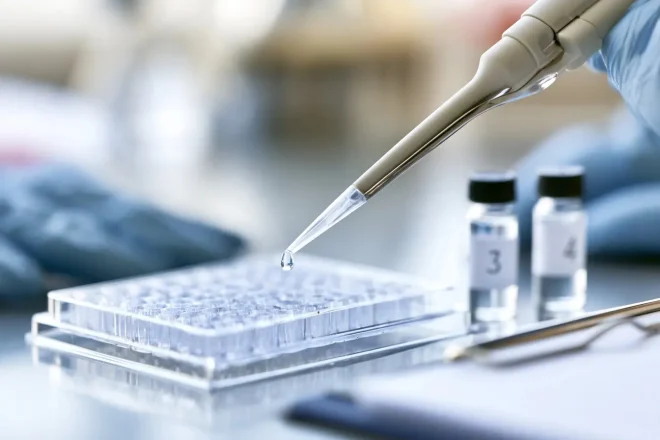
Researchers have identified dental cells as a promising avenue for brain repair following a stroke, offering new hope for regenerative medicine and highlighting the unexpected potential of dental tissue in treating neurological damage.
TL;DR
- Dental pulp secretome limits stroke damage in mice.
- South Korean researchers conducted the study.
- Potential new path for ischemic stroke therapy.
A Surprising Discovery from Dental Pulp
In an unexpected twist to the ongoing quest for improved therapies against ischemic stroke, scientists from South Korea have identified a remarkable property in a substance derived from dental tissue. During their latest experiments, they observed that a specific compound known as the secretome—extracted from the dental pulp—has demonstrated the ability to reduce neural damage following a stroke, at least in laboratory mice.
The Science Behind the Secretome
Researchers have been searching for innovative treatments that could help limit brain injuries after an ischemic event, where blood supply is cut off to certain brain areas. The focus of this study was on what is called the secretome: a complex mixture of proteins and signaling molecules secreted by cells in the dental pulp. When administered to mice affected by induced ischemic strokes, this secretome appeared to reduce inflammation and protect nerve cells from dying.
Study Methodology and Implications
For their investigation, the team designed experiments that simulated stroke conditions in laboratory animals. Several factors explain their approach:
- A need for novel post-stroke therapies due to limited current options,
- The regenerative potential observed in dental pulp tissue,
- Recent findings suggesting intercellular communication can be leveraged therapeutically.
Results indicated that treated mice suffered noticeably less neurological impairment compared to those left untreated, opening up intriguing possibilities for future clinical research.
A Glimmer of Hope for Stroke Patients?
While these initial findings are confined to animal studies, they nevertheless offer hope that components derived from dental tissue may one day play a significant role in treating patients with ischemic stroke. Of course, further work will be needed before any human trials can be contemplated—but as scientists continue unraveling the complexities of brain injury repair, such advances are certainly being watched with keen interest throughout the medical community.