How to Make Lentil Dahl Extra Creamy: Texture Tips
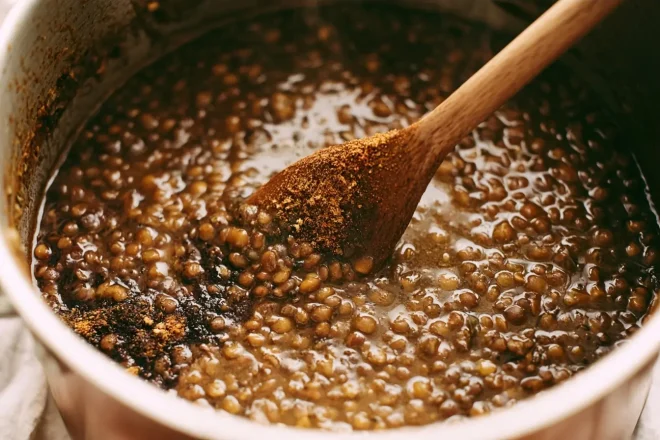
A subtle adjustment in preparing lentil dahl can significantly transform its final texture. Exploring this crucial detail reveals how small changes in cooking technique or ingredient preparation can elevate the overall experience of this traditional dish.
TL;DR
- Dahl texture depends on precise water measurement.
- Gentle handling of spices is essential for flavor.
- Proper technique prevents dryness or excessive thickness.
Unlocking the Secrets to Perfect Dahl
For anyone who’s attempted to cook a traditional Indian dahl, there’s a familiar frustration: achieving the ideal consistency can be elusive. Sometimes too dry, other times uncomfortably thick, this staple dish has tripped up many home cooks. According to seasoned chef Sandrine Girard, the solution lies in mastering several subtle but crucial techniques.
The Importance of Water Ratio
At the heart of great dahl is an accurate balance between lentils and water. As Girard explains, “A common error is underestimating how much water pulses absorb as they cook.” She recommends beginning with a 3:1 ratio—three cups of water for every cup of lentils—then adjusting gradually as needed. This approach not only ensures proper cooking but prevents the dreaded sticky or gritty outcome.
The Gentle Art of Spicing
While it may be tempting to toss in all your spices at once, patience truly pays off. Several factors explain why restraint matters:
- Spices release their aromas best when heated gently in oil before mixing with lentils.
- Avoiding high heat preserves complex flavors and prevents bitterness.
- Add robust seasonings like cumin or coriander incrementally, tasting as you go.
Technique Over Intuition
Novice cooks often rely on instinct rather than method when preparing dahl. Yet, following these careful steps makes all the difference. Slow simmering, measured seasoning, and mindful stirring contribute to that coveted creamy-yet-loose texture. “It’s easy to get impatient,” notes Girard, “but rushing undermines both taste and texture.”
Ultimately, transforming simple lentils into a rich, satisfying dish calls for attention and care—never brute force. The next time your dahl falls short of expectations, remember: precision in water, respect for spices, and a gentle hand are your greatest allies.