How Peanuts Affect Brain Health After Age 60
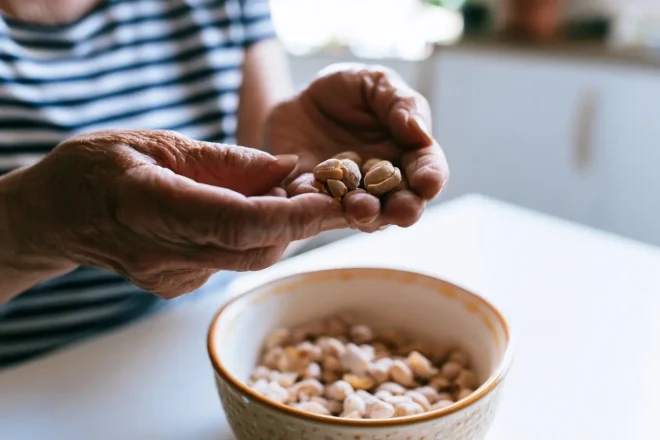
After six decades of study, peanuts continue to puzzle neuroscientists. Despite their long-standing popularity, researchers are still exploring how compounds in peanuts might influence brain health and cognitive functions, fueling ongoing scientific curiosity.
TL;DR
- Daily peanuts may boost brain insulin response in seniors.
- Dutch study focused on people over age 60.
- Potential implications for cognitive health explored.
A Surprising Link Between Peanuts and Brain Health
Emerging research from the Netherlands is bringing new attention to an everyday snack: the humble peanut. Scientists there have identified a potential connection between regular peanut consumption and improved brain function in older adults—a finding that could open fresh avenues in the fight against age-related cognitive decline.
The Study and Its Key Findings
The study, conducted by a team of researchers in the Netherlands, centered on adults aged over 60. Participants incorporated peanuts into their daily diets, and their responses were meticulously tracked over time. The results point to a notable improvement in how the brain responds to insulin. For those unfamiliar, insulin isn’t just essential for regulating blood sugar; it also plays a critical role in brain signaling. As people age, reduced sensitivity to insulin can impact cognitive health.
Implications for Older Adults
Why does this matter? Age-related decline in insulin sensitivity is thought to be linked with memory loss and increased risk of neurodegenerative diseases. By focusing on individuals above 60, the Dutch study highlights a group especially vulnerable to these effects. The findings suggest that something as accessible as peanuts could potentially offer support for maintaining healthy brain function.
Several factors explain this decision:
- Peanuts are rich in healthy fats and essential nutrients.
- Easily available and affordable, they suit varied diets.
- Pleasant taste encourages long-term adherence among older adults.
A Nutritional Nudge Worth Considering?
While it’s too early to make sweeping recommendations, these insights hint at simple dietary changes making a real difference. Of course, experts caution that more research is needed before drawing firm conclusions about peanuts’ direct impact on preventing or slowing cognitive decline.
Still, for older adults seeking manageable ways to support their health, incorporating a small daily serving of peanuts might be one option worth exploring—especially given their established benefits for heart health. As science continues to unravel the connections between diet and brain function, this Dutch study offers another intriguing piece of the puzzle.