Tesla Roadster Performance: Flight, Crash, and Stylish Stunts Explained
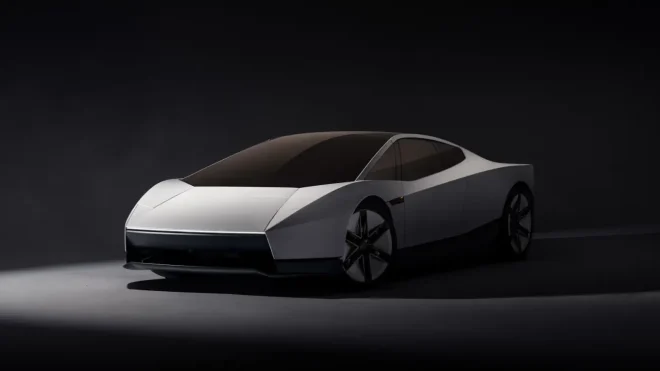
Tesla's Roadster has captured attention with its remarkable performance, dazzling onlookers as it achieves impressive feats before experiencing setbacks. The electric sports car’s journey highlights both its extraordinary capabilities and the challenges faced in pushing automotive innovation.
TL;DR
- Tesla introduces new Roadster with SpaceX-inspired thrusters.
- Production now scheduled for 2028 after repeated delays.
- High-performance electric sports car aims to break boundaries.
A Bold Entry into the Electric Supercar Arena
After years of speculation and shifting timelines, Tesla has lifted the curtain on its much-anticipated new Roadster. This striking iteration, revealed alongside significant fanfare, isn’t just another electric sports car. What truly sets it apart is a feature inspired by aerospace technology: integrated thrusters developed in collaboration with SpaceX. If all goes according to plan, enthusiasts can expect production to begin in 2028, though that target comes after several postponements.
The SpaceX Connection: Pushing Automotive Boundaries
The collaboration between Tesla and SpaceX, both helmed by entrepreneur Elon Musk, is more than a mere marketing hook. For this Roadster, engineers have taken cues from rocket science to develop an advanced propulsion system designed to deliver unprecedented acceleration and performance. According to early details, these so-called “thrusters” could dramatically enhance handling and speed—hinting at the prospect of record-shattering capabilities for an electric vehicle.
Production Delays and Market Expectations
While anticipation around the new Roadster has grown steadily, patience has been tested. The initial launch date slipped multiple times as technical hurdles and supply chain disruptions mounted. Now, with a revised goal set for 2028, both industry analysts and fans are watching closely. Several factors explain these setbacks:
- The complexity of integrating aerospace-grade propulsion technology.
- Ongoing global challenges affecting semiconductor supplies.
- The evolving landscape of high-end electric vehicle competition.
Even with these complications, interest remains high, especially among those eager for cutting-edge innovation in luxury cars.
The Future of Electric Performance Vehicles?
With this bold move, Tesla seems intent on redefining what’s possible for electric sports cars. The integration of SpaceX-inspired thrusters signals an audacious attempt to bridge automotive engineering and aerospace science—a combination likely to turn heads not only among auto enthusiasts but also within the broader technology sector. If the company delivers on its promises by 2028, the new Roadster could well become a benchmark for future high-performance electric vehicles—assuming that reality can match the vision unveiled today.