Cellular Stress Linked to Depression and Schizophrenia: New Findings
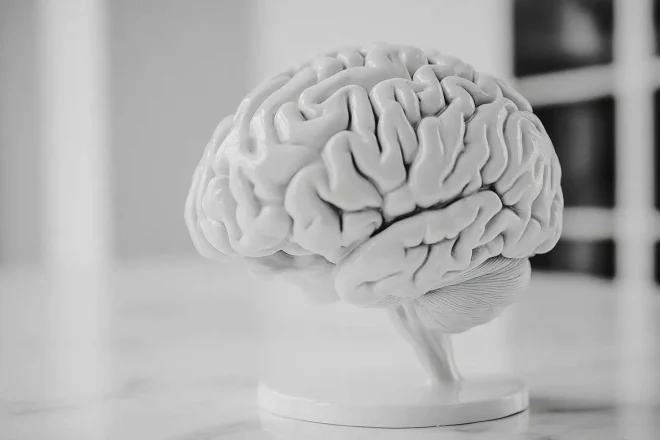
New research is shedding light on how cellular stress may contribute to the development of major psychiatric disorders such as depression and schizophrenia, offering a clearer understanding of underlying biological mechanisms that could inform future treatments.
TL;DR
- Study links depression, schizophrenia to disrupted cell stress pathways.
- Sex-based differences observed in brain samples analyzed.
- Findings could inform tailored mental health treatments.
A New Lens on Mental Health: Cell Stress Pathways Under Scrutiny
A fresh analysis of human brain tissue has shed light on the biological underpinnings of two pervasive psychiatric conditions: depression and schizophrenia. Researchers examined 84 post-mortem brains, seeking answers to what might differentiate affected individuals from those without these diagnoses. Intriguingly, the study zeroed in on disrupted cellular stress pathways, with findings that could prompt a rethink of how such disorders are understood—and ultimately treated.
The Gender Factor: Notable Differences Emerge
One particularly striking aspect to emerge from this work was the significant influence of biological sex. The data revealed that disturbances in cellular stress responses varied not just between healthy and affected individuals, but also between men and women. Such findings suggest that previous approaches may have overlooked crucial nuances by treating psychiatric illnesses as biologically homogenous across genders.
Inside the Study: Methodology and Focus
The team’s research relied on a close examination of post-mortem tissue from various individuals diagnosed with either depression, schizophrenia, or no known psychiatric conditions. Several factors explain their decision to focus on cellular stress mechanisms:
- This pathway plays a central role in how neurons respond to adversity.
- Dysfunction here has been tentatively linked to mental illness before.
- The brain’s response may differ based on sex-specific biology.
By comparing molecular signatures across these samples, researchers aimed to pinpoint where and how typical stress responses diverged in those with psychiatric diagnoses.
Towards Personalized Psychiatry?
It would be premature to declare this a revolution for neuroscience or mental health care. Still, the results hint at exciting prospects: greater understanding of how disrupted cell stress mechanisms contribute to major disorders like depression and schizophrenia could pave the way for more individualized approaches—perhaps even gender-tailored therapies—in future treatment strategies. As always, further investigation will be essential before clinical practice shifts, but these findings lend weight to calls for more nuanced research into the complex biology of psychiatric disease.