How Stress Can Trigger Arthritis Flare-Ups During Remission
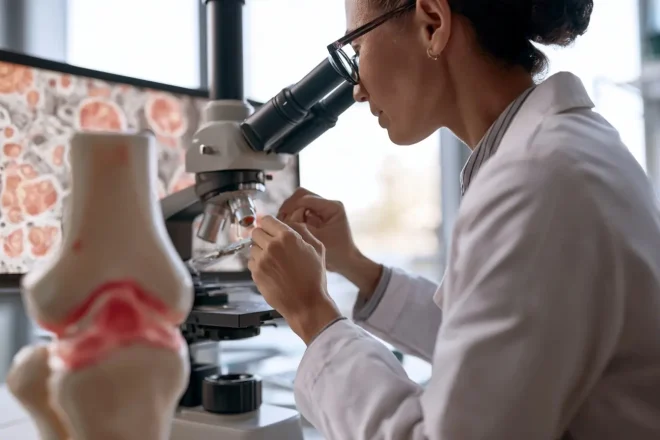
Emerging evidence suggests that psychological stress may trigger the recurrence of arthritis symptoms, even among patients who have achieved remission. This finding highlights the complex relationship between emotional well-being and the management of chronic inflammatory diseases.
TL;DR
- Japanese researchers link stress to joint inflammation relapse.
- Evidence of this mechanism also found in humans.
- Findings could influence future arthritis treatment strategies.
Unraveling the Link Between Psychological Stress and Joint Inflammation
In a recent breakthrough, a team of Japanese scientists has shed light on an intricate relationship between **psychological stress** and the recurrence of **joint inflammation**—a revelation that may have far-reaching implications for individuals suffering from chronic inflammatory diseases. Until now, the complex interplay between emotional well-being and physical symptoms has been challenging to untangle, yet these new findings offer valuable clues.
A Closer Look at the Research
Investigators based in Japan meticulously explored how emotional distress can trigger a return of inflammation in the joints, a phenomenon especially pertinent to patients with conditions like **rheumatoid arthritis**. While their initial work focused on animal models, what makes this study particularly compelling is the observation of similar biological markers in humans. This cross-species consistency adds considerable weight to their hypothesis: psychological factors may directly influence physical disease activity.
The Mechanism Behind the Phenomenon
Several factors explain this newly identified connection:
- Prolonged stress appears to alter immune system responses.
- Certain neural pathways are activated during periods of distress, fueling inflammation.
- Molecular signals linking the brain and immune system become heightened under pressure.
These interactions potentially reignite dormant inflammatory processes in vulnerable individuals. Although some mechanisms remain to be clarified, researchers highlight specific molecular changes that bridge mental state and physical flare-ups.
Toward New Therapeutic Horizons
What does this mean for those grappling with chronic joint issues? These findings encourage clinicians and patients alike to consider **psychological health** as an essential element in managing inflammatory diseases. Addressing emotional well-being could soon be viewed as critical as conventional drug therapy in comprehensive care plans. As further studies unravel exactly how psychological stress impacts immunity, tailored interventions—possibly blending mental health support with pharmacological treatments—might offer more durable relief for millions worldwide.
In essence, this research from Japan not only underscores the tangible links between mind and body but also paves the way for integrated strategies against persistent joint inflammation.