How Zombie Cells Trigger Cancer Tumor Recurrence
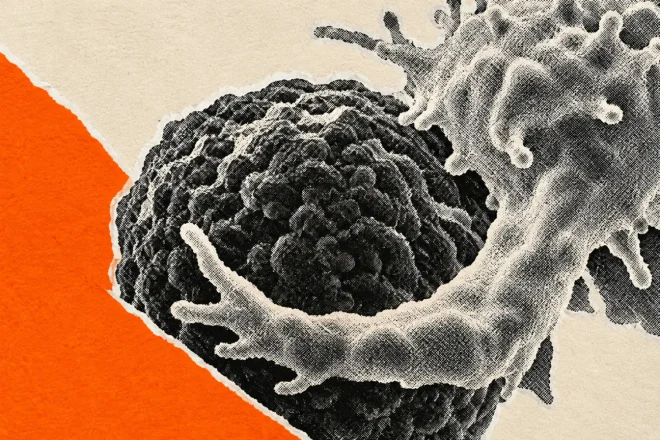
Researchers are investigating how so-called zombie cells—damaged cells that refuse to die—may contribute to cancer recurrence. These lingering cells appear to support tumor regrowth, raising new questions about their role in cancer progression and treatment resistance.
TL;DR
- Tumors can endure chemotherapy using surprising strategies.
- They recruit the immune system to aid their survival.
- Trinity College Dublin scientists reveal new mechanisms.
Cancer’s Cunning: Tumors Outsmart Chemotherapy
New revelations from researchers at Trinity College Dublin suggest that some cancerous growths are far more resourceful than previously assumed. The team has uncovered that certain tumors, after weathering the harsh assault of chemotherapy, manage not only to survive but also ingeniously manipulate the body’s own defense network, the immune system, to bolster their recovery and future growth.
A Surprising Turn: From Enemy to Ally
The intricate dance between cancer cells and our body’s defenses often defies expectations. Typically, chemotherapy is designed to destroy malignant cells, relying on both direct toxicity and, in some treatments, support from the patient’s immune response. Yet, according to the findings at Trinity College Dublin, some tumor cells withstand this chemical barrage and then turn the tables by recruiting elements of the immune system—a move once thought counterintuitive.
Several factors explain this phenomenon:
- Tumor cells adapt rapidly, altering surface markers to evade detection.
- Chemotherapy-induced changes may inadvertently signal “help” to immune components.
- The immune response can be hijacked, assisting rather than attacking surviving tumor cells.
Pushing Back Against Progress?
Such adaptability raises tough questions for oncology specialists. If tumors can co-opt what should be a hostile environment, our current strategies could unintentionally make matters worse for certain patients. The prospect that chemotherapy might contribute, however indirectly, to a tumor’s resilience demands renewed scrutiny and innovative thinking.
The Road Ahead: Rethinking Cancer Therapies
While these insights complicate an already complex field, they also illuminate new avenues for research. By better understanding how tumors leverage the immune system, scientists at places like Trinity College Dublin hope to design future treatments that prevent this molecular sabotage. The goal is clear: tip the balance back in favor of patients and ensure that therapies truly weaken—rather than unwittingly strengthen—the disease they target.