First Patient Receives Groundbreaking Parkinson’s Disease Transplant
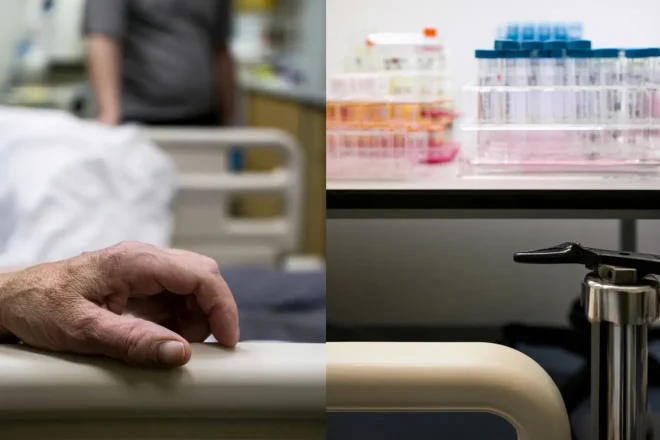
In a significant development for Parkinson’s research, a patient has become the first to receive a long-awaited transplant, marking an important milestone in the quest for innovative treatments to combat this debilitating neurological disorder.
TL;DR
- First stem cell transplant for Parkinson’s performed in Japan.
- Treatment enters a crucial development phase after positive trials.
- Breakthrough offers hope for Parkinson’s disease patients worldwide.
Japan Breaks New Ground in Parkinson’s Treatment
A remarkable milestone has been reached in the treatment of Parkinson’s disease in Japan, as a patient recently underwent an unprecedented stem cell transplant. This innovative intervention represents a bold leap forward, especially given that earlier trial phases had delivered outcomes described as promising.
From Laboratory Success to Clinical Application
The procedure was carried out following encouraging results from initial trials conducted in controlled laboratory settings. Medical teams in Japan have been working meticulously with induced pluripotent stem cells, or iPS cells, aiming to restore dopamine-producing neurons that degenerate in those affected by Parkinson’s disease. Previously, such therapies had only reached animal testing or limited early-stage human trials elsewhere. Now, the successful application of these cells to a human patient marks the beginning of what many experts see as a pivotal clinical stage.
A Critical Turning Point: What Comes Next?
This new phase is more than a procedural advance; it is an opportunity to rigorously assess both the safety and efficacy of iPS cell therapy for real-world patients. Several factors explain this decision:
- The consistently encouraging data seen in preclinical research;
- The pressing need for alternatives to existing symptomatic treatments;
- The potential to address the underlying causes rather than just symptoms.
While optimism is palpable among researchers and families alike, caution tempers expectations: much work remains before such therapies could become routine.
Implications for the Global Fight Against Parkinson’s
If future results remain positive, this breakthrough could signal a shift in how neurodegenerative conditions like Parkinson’s disease are managed. The progress made by Japanese teams is now under close international scrutiny—both as a beacon of hope and as a potential template for similar research worldwide. While it may be too early to call this procedure a cure, momentum is building around the possibility that stem cell technology could dramatically improve life quality for millions living with this condition.