Rising RAM Prices Now Affect Older Memory Generations
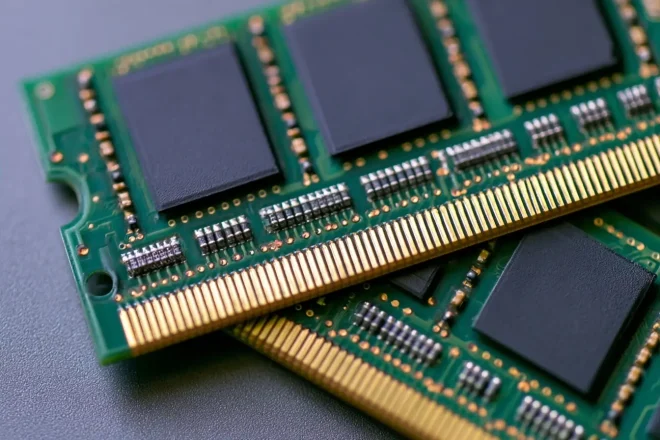
The surge in RAM prices is now affecting not only the latest models but also older generations, leaving consumers and businesses alike facing higher costs for essential computer components across the board.
TL;DR
- RAM prices surged between 2020 and 2026.
- AI demand fueled both new and used market hikes.
- Tighter supply reshaped the RAM landscape globally.
A Market Transformed by Unprecedented Demand
From 2020 to 2026, the price trajectory of RAM kits—both new and second-hand—defied expectations. Traditionally a sector marked by gradual evolution, the memory market found itself upended. The catalyst? A surging appetite for high-performance computing, largely spurred by advancements in artificial intelligence (AI), alongside mounting supply pressures worldwide.
The Rise of AI: Driving Upgrades and Shortages
For several years, generative AI tools have permeated everything from research labs to ordinary desktops. This explosion in computational needs has prompted businesses and individuals alike to seek larger and faster memory modules. Such heightened demand has not only strained production lines at major manufacturers like Samsung, Micron, and SK Hynix, but has also extended shortages into the secondary market, where used kits suddenly became hot commodities.
Shrinking Supply Meets Relentless Demand
While some industry insiders predicted that supply would eventually catch up, unexpected disruptions complicated matters further. Pandemic-related factory slowdowns, global logistics bottlenecks, and increased competition for raw materials forced suppliers to recalibrate output. As a result, even refurbished or older generation RAM modules saw their prices climb steeply—a rare phenomenon in a sector where depreciation was once the norm.
Navigating a Changed Landscape
Several factors explain this persistent price surge:
- The widespread adoption of resource-hungry AI applications across all industries.
- Production constraints due to unforeseen global events.
- A secondary market invigorated by new buyers priced out of primary channels.
Where does this leave consumers? Facing an environment where the price gap between new and used components has narrowed, buyers are compelled to weigh their options more carefully than ever before. For many, patience—and perhaps a willingness to consider less conventional sources—has become essential in the quest for affordable performance upgrades.
Ultimately, as AI continues its march into mainstream computing, the memory market may be looking at a new normal: one defined less by stability and more by agility in meeting rapidly shifting demands.