Stop Throwing Away the Highest Fiber Parts of Foods
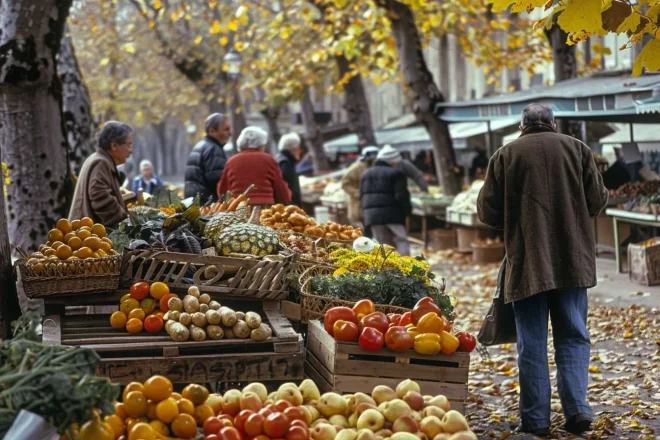
Many people unknowingly discard the most fiber-rich parts of their food during preparation. This common habit reduces overall dietary fiber intake, potentially impacting digestive health and missing out on essential nutrients found in peels, skins, and other edible scraps.
TL;DR
- Fruit and vegetable peels hold more fiber than flesh.
- Seeds and stems are significant sources of dietary fiber.
- Rethinking food waste could improve overall nutrition.
The Hidden Power of Fruit and Vegetable Peels
For years, the focus at the produce stand has remained firmly on the edible interior of fruits and vegetables. However, new research reveals that the oft-discarded components—the peels, seeds, and stems—harbor a surprising secret: they typically offer more dietary fiber than the parts we usually consume.
Fiber-Rich Discards: A Closer Look
A recent study led by researchers in the field of nutrition science has brought renewed attention to these neglected portions. By meticulously analyzing a variety of commonly eaten fruits and vegetables, the team discovered that not only are peels dense in fiber, but so too are seeds and stalks. For example, the skin of an apple or the outer layer of a carrot often contains higher concentrations of valuable nutrients compared to their pulpy centers.
Potential Benefits for Diets and Waste Reduction
Why does this matter? Several factors explain this shift in perspective:
- Fiber aids digestion and is linked to numerous health benefits.
- Avoiding unnecessary peeling could help reduce household food waste.
- Incorporating whole produce supports a more sustainable approach to eating.
Dietitians argue that increasing consumption of these natural byproducts could address dietary deficiencies seen in many populations. And with food waste a persistent concern globally, using more of each fruit or vegetable aligns with broader sustainability goals.
Making Changes at Home
For those eager to boost their intake of fiber, experts recommend integrating more skins, seeds, and stems into daily meals—provided they are thoroughly washed or sourced organically to avoid unwanted residues. Classic recipes can often be adapted: roasted potato skins, citrus zest, or even broccoli stalks can find their place at the table.
In sum, while peeling fruit or discarding vegetable tops might be second nature for many shoppers, evidence suggests it’s worth reconsidering old habits. With growing scientific backing, rethinking what ends up in the compost could make a real difference for both personal health and environmental impact.