DNA Insights: New Discoveries on Aging and the Human Body
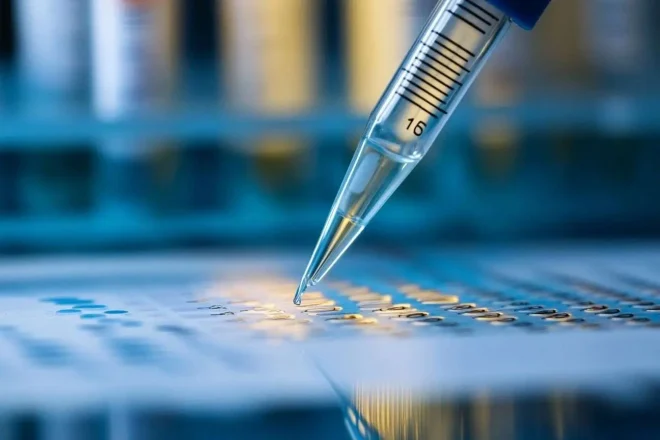
Recent analyses have provided fresh insights into the relationship between DNA and aging, shedding light on how genetic factors may influence the body's gradual decline and offering new perspectives on the biological mechanisms behind aging.
TL;DR
- US researchers improve measurement of somatic mutations.
- Mutations linked to aging, tissues, and cancer risk.
- Study could enhance understanding of genetic changes.
Precision in Genetic Mutation Measurement
An American team of scientists has made significant strides in refining how we detect and analyze somatic mutations, those subtle alterations in DNA that quietly accumulate as we age. Far from being isolated incidents, these changes can vary widely depending on the tissue in question and are increasingly associated with the onset of certain cancers.
The Intricacies of Somatic Mutations
Somatic mutations—unlike inherited genetic modifications—occur during an individual’s lifetime. Researchers from leading US institutions have delved into how these mutations manifest differently across various types of tissue. Their findings suggest a strong correlation between the accumulation of these tiny genetic errors and both the passage of time and the specific biological environment where they occur.
Aging, Tissue Type, and Cancer Risk
It turns out that age isn’t just a number when it comes to DNA. With every passing year, somatic mutations become more prevalent, raising important questions about their role in age-related diseases. The risk is particularly notable in certain tissues that are more susceptible to cancerous transformations. Several factors explain this pattern:
- The rate at which cells divide in specific organs
- Exposure to environmental agents affecting DNA integrity
- Individual genetic predispositions amplifying mutation rates
Implications for Future Research
By honing new analytical techniques, the researchers hope to not only track these genetic variations with greater precision but also to open avenues for early detection and potentially intervention. This refined approach provides the scientific community with a clearer map of how somatic mutations develop over time—a breakthrough that could reshape our understanding of cancer risks tied to aging.
Given these advances, future studies may soon unravel further complexities behind why some tissues turn malignant while others remain benign, painting a more nuanced picture of the interplay between genetics, aging, and disease susceptibility.