Tesla Discontinues Cybertruck to Focus on Robotaxi Production
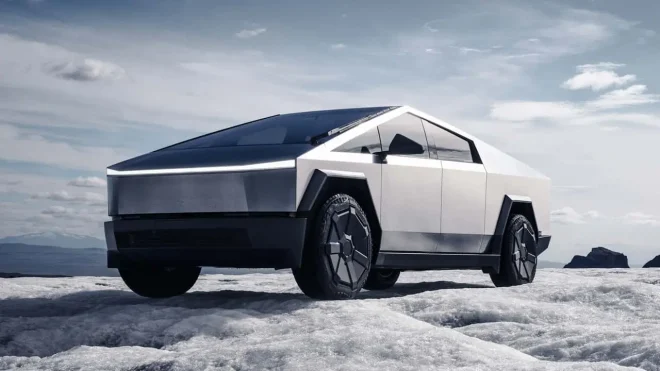
Tesla has discontinued its Cybertruck, signaling a shift in focus toward the development and production of its highly anticipated robotaxis. This strategic move is expected to accelerate Tesla's efforts in the autonomous vehicle market.
TL;DR
- Tesla will end Cybertruck production in 2027.
- Factory space will be redirected to robotaxi and robotics projects.
- The company is speeding up its pivot toward automation.
A Turning Point for Tesla’s Cybertruck
In a surprising shift, Tesla has decided to discontinue production of its much-debated Cybertruck in 2027. After years of anticipation and considerable investment, the bold electric pickup will make way for new priorities at the automaker’s factories. This move suggests a recalibration of strategy as the company seeks to reinforce its leadership in next-generation mobility.
New Priorities: Robotaxis and Robotics
The rationale behind this decision lies in a desire to free up crucial industrial capacity. By shelving the Cybertruck, Tesla can accelerate work on its forthcoming robotaxi fleet and ambitious robotics initiatives. Several factors explain this decision:
- The growing demand for fully autonomous transport solutions.
- The potential profitability of large-scale robotaxi networks.
- An industry-wide push toward automation and artificial intelligence.
For years, CEO Elon Musk has positioned these technologies at the heart of the company’s vision, insisting that they represent the future of urban mobility.
The End of an Era?
Although the angular, stainless-steel-bodied truck turned heads and sparked endless debate since its unveiling, it ultimately became less central to the company’s evolving agenda. Many had wondered whether production constraints or shifting market trends would affect its longevity; now those questions have been answered.
A Company Betting Big on Automation
By reallocating resources from the unconventional pickup to advanced robotics and autonomous vehicles, Tesla signals where it sees true long-term value. The group’s accelerated transition underscores confidence in automation—not just as a supplement, but as a primary engine for future growth.
While fans of the distinctive truck may be disappointed, this move reinforces how rapidly priorities can change in the fast-moving world of electric vehicles and smart mobility. For better or worse, it seems clear: for Tesla, yesterday’s icon may well be tomorrow’s footnote as it charges ahead into an automated era.