Measles Cases Surge in US, Raising Health Worker Concerns
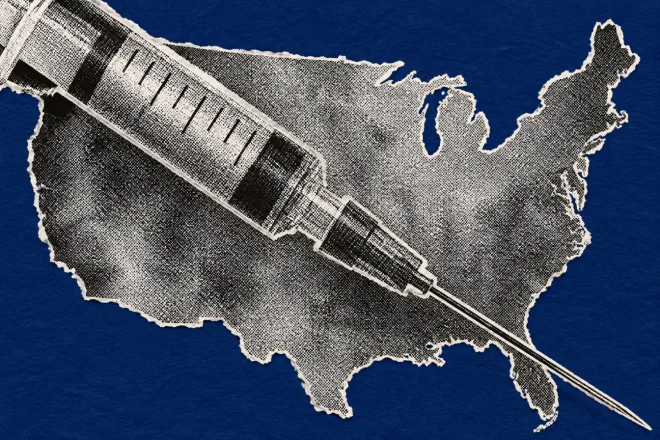
The United States is experiencing an unprecedented surge in measles cases, raising serious concerns among healthcare professionals who warn of the risks posed to public health and the potential strain on medical resources.
TL;DR
- Measles cases in the U.S. surpass 5,000 in 2026.
- This marks the highest number seen in 35 years.
- Spike reignites debate over vaccination policies.
Sharp Increase in Measles Cases: Alarming Numbers Not Seen Since the 1980s
For the first time in more than three decades, the United States has crossed a significant—and unsettling—threshold: more than 5,000 measles cases have been reported nationwide in 2026. This surge represents a dramatic escalation not observed since the late 1980s and has stirred public concern across communities and among healthcare professionals alike.
Historic Spike Puts Spotlight on Vaccination Efforts
This unexpected leap comes as public health authorities scramble to understand what lies behind such a pronounced increase. Multiple experts now point to declining immunization rates as a primary driver. Several factors explain this decision:
- Misinformation circulating online about vaccine safety;
- Pockets of communities resisting established medical recommendations;
- A pandemic-era slowdown in routine pediatric care.
As these elements converge, what was once thought nearly eradicated is now back with renewed force.
A Renewed Public Health Debate
Naturally, this troubling development has reignited long-standing debates over vaccination policies. While some stakeholders argue for stricter mandates to boost coverage, others caution against infringing on personal choice. The spike in cases has also led to increased media scrutiny of how local and federal agencies are handling outreach and education efforts.
The Road Ahead: Lessons and Uncertainty
Ultimately, whether this year’s numbers serve as a wake-up call or simply mark an outlier remains uncertain. What is clear is that the historic rise in measles cases demands urgent attention from both policymakers and the public. As Americans reflect on how to protect vulnerable populations—particularly children—the spotlight once again falls on science-based prevention measures and informed community dialogue.
One thing seems certain: the resurgence of measles in modern America forces a reckoning with both our health systems’ strengths and their lingering vulnerabilities.