E.T. Movie: Spielberg’s Changes He Later Regretted
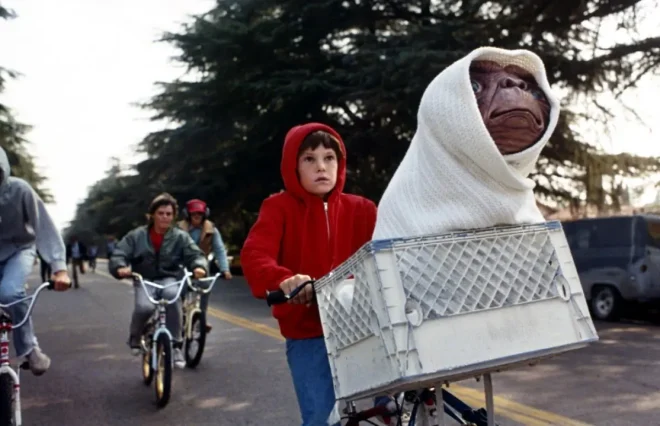
Steven Spielberg’s iconic film E.T. the Extra-Terrestrial underwent several alterations over the years, some of which the director later regretted. Spielberg ultimately expressed dissatisfaction with specific changes introduced after the movie’s original release.
TL;DR
- Spielberg altered E.T. for its 2002 re-release.
- Changes were soon reconsidered as unnecessary.
- The original version was later restored.
A Cinematic Classic Undergoes Digital Revision
When *Steven Spielberg* decided to revisit his beloved film, *E.T. the Extra-Terrestrial*, in 2002, few could have anticipated the ensuing debate among fans and critics alike. For the film’s twentieth anniversary, *Universal Pictures* and its iconic director released a special edition featuring digital enhancements—some subtle, others more conspicuous—that immediately ignited controversy.
Controversial Edits and Audience Backlash
Key among these modifications was the replacement of police officers’ guns with walkie-talkies during a pivotal scene, an attempt to soften the film’s tone for younger audiences. While some considered this a prudent update in line with changing cultural norms, others saw it as unnecessary revisionism that diluted the original’s emotional impact. The introduction of extra digital effects, including tweaks to E.T.’s appearance, also sparked mixed reactions.
A Shift in Perspective: Restoring the Original Vision
Reflecting on this decision years later, *Spielberg* himself admitted reservations about altering his own work. The director eventually acknowledged that his initial approach had been overly cautious—a stance he would come to regret. This shift was emblematic of a broader movement within Hollywood to respect and preserve creative intent rather than catering excessively to contemporary sensibilities.
Several factors explain this reversal:
- Audience loyalty to iconic films often resists major changes.
- The risk of losing historical authenticity in cinema history.
- A growing appreciation for directors’ original artistic choices.
The Legacy of E.T.’s Re-release Saga
By the time subsequent home video releases appeared, *E.T.* had been restored to its original form—a move widely celebrated by purists and cinephiles alike. The saga stands as a reminder of the delicate balance between technical innovation and preservation of cinematic heritage. Ultimately, Spielberg’s experience with *E.T.* continues to inform industry conversations around updating classic films: sometimes, respecting what made them timeless is the wisest choice of all.