Tooth Loss Linked to Increased Dementia Risk, Study Finds
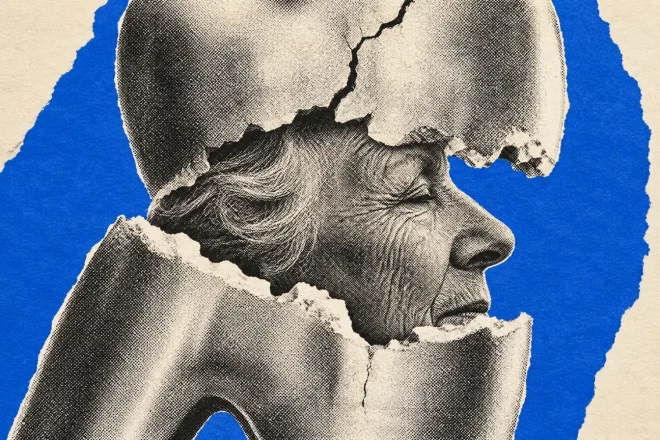
Recent studies suggest a potential link between dental health and the likelihood of developing dementia, indicating that the number of teeth an individual retains may play a significant role in influencing their actual risk for the condition.
TL;DR
- Japanese study links tooth loss to dementia risk.
- Findings highlight urgent need for better prevention.
- Oral health gains attention in public health debates.
Groundbreaking Japanese Study Sheds Light on Dementia Risks
In a recent development that has sparked widespread discussion in the medical community, a significant study from Japan has revealed a direct connection between the loss of teeth and an increased risk of developing dementia. As the population ages and public health officials grapple with rising dementia rates, this research reopens the conversation around early intervention and prevention strategies.
The Research: Scope and Implications
Conducted on a large scale, the Japanese investigation involved thousands of participants tracked over several years. Researchers found a compelling association: individuals experiencing significant tooth loss faced notably higher chances of cognitive decline. While causality remains complex—experts caution against oversimplification—the robust nature of this correlation signals a potential new frontier in understanding dementia’s root causes.
Several factors may account for this relationship:
- Poor oral health might reflect broader underlying conditions impacting brain function.
- Losing teeth can lead to dietary changes that affect overall wellbeing.
- Inflammation from chronic gum disease is increasingly linked to neurological disorders.
A Renewed Focus on Prevention
Public health authorities in Japan and beyond are now looking at these findings with renewed urgency. If maintaining good oral hygiene could indeed mitigate one’s risk of dementia, policymakers might need to reconsider current prevention frameworks. This also opens up further avenues for research, not just into dental care itself but how lifestyle interventions can collectively reduce disease burdens among older adults.
The Debate Moves Forward
The implications are far-reaching. In light of this evidence, advocates are calling for greater emphasis on oral care within national healthcare agendas. Meanwhile, doctors suggest that routine dental checkups—long regarded as peripheral—should become integral components of elderly care plans.
Whether these findings will transform clinical practice or simply spark further inquiry remains to be seen. Yet there is little doubt that the intersection between dental health and neurological disorders like dementia is now firmly established as an important area for continued investigation and action.