Why Cold Weather Affects Older Adults More, Study Finds
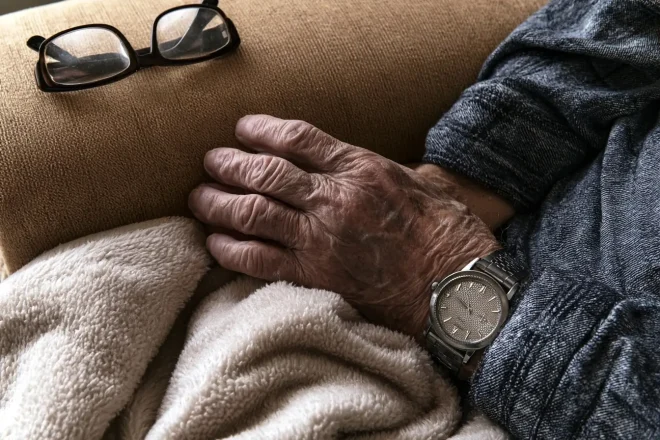
As people grow older, sensitivity to cold often increases, a phenomenon that has now been examined by researchers. A new study sheds light on why aging bodies are more affected by lower temperatures and the underlying physiological mechanisms.
TL;DR
- Study links seniors’ chilliness to loss of brown fat.
- Brown fat is essential for generating body heat.
- Research published in Nature highlights age-related changes.
The Hidden Role of Brown Fat in Seniors’ Cold Sensitivity
For many older adults, feeling perpetually chilly is an all-too-familiar experience. Now, new research published in the prestigious journal Nature sheds light on a key reason: the natural decline of brown fat, an important tissue responsible for generating heat within the human body.
How Brown Fat Keeps Us Warm
Unlike the more common white fat, brown adipose tissue—or simply brown fat—acts as the body’s internal furnace. Packed with energy-burning mitochondria, this specialized tissue converts calories into heat, helping regulate body temperature. As we age, however, the amount and effectiveness of brown fat dwindle. According to the Nature study, this drop correlates strongly with increased sensitivity to cold among seniors.
Aging and Its Chilling Consequences
Researchers observed that elderly individuals frequently complain about feeling cold, even in warm environments. The team discovered that this is not merely a subjective sensation: it reflects measurable physiological changes. Several factors explain this phenomenon:
- Declining brown fat activity, which reduces natural heat production.
- Metabolic slowdowns, further limiting energy available for warmth.
- Cumulative cell wear-and-tear, impacting overall thermoregulation.
Such findings highlight why older people may require extra layers or heating compared to younger adults.
The Broader Implications for Senior Health
The authors of the study underscore that maintaining adequate warmth is not just about comfort—it’s critical for overall health and wellbeing in later life. As brown fat diminishes, seniors may face higher risks of hypothermia and related complications during cold snaps. This fresh understanding could drive renewed interest in therapies targeting brown adipose tissue preservation or stimulation. While no miracle fix exists yet, experts suggest that moderate physical activity and certain dietary choices might help preserve what little brown fat remains.
Ultimately, this new research brings much-needed clarity to a daily struggle for millions of seniors—and may one day lead to tangible advances in how we care for aging populations facing colder days ahead.