How ANSM Is Preventing a Long-Term Furosemide Shortage
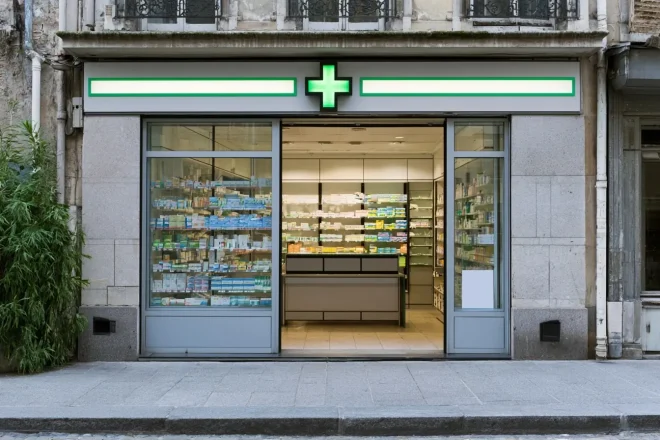
Faced with growing concerns over the availability of furosemide, a widely used diuretic, French health authorities are implementing strategies to prevent a prolonged shortage and safeguard patient care across the country.
TL;DR
- Furosemide shortage expected to persist into 2027.
- ANSM mobilizes measures to manage supply issues.
- Treatment for hypertension and edema may be impacted.
A Worrying Shortage for Patients and Pharmacists
Across France, anxiety is mounting as the widely used medicine furosemide faces persistent supply constraints. This diuretic, routinely prescribed for conditions such as hypertension and certain forms of edema, is anticipated to remain difficult to obtain well into 2027. The ongoing shortfall affects not only patients reliant on daily medication but also community pharmacists trying to meet urgent needs.
Regulatory Action Intensifies
In response, the National Agency for the Safety of Medicines and Health Products (ANSM) has initiated a series of interventions. Determined to minimize disruption, the agency is activating several levers aimed at shoring up the fragile supply chain. According to sources close to the matter, this strategy involves working with manufacturers, streamlining distribution processes, and encouraging alternatives when clinically appropriate.
The Impact on Essential Treatments
For many individuals managing chronic conditions like high blood pressure or fluid retention, furosemide remains a cornerstone therapy. Its absence poses significant risks—uncontrolled hypertension or exacerbated edema can lead to severe complications. Several factors explain this precarious situation:
- Sustained demand growth linked to an aging population.
- Sporadic manufacturing disruptions in global supply chains.
- Lack of viable substitutes for certain patient groups.
Physicians have started reassessing patient regimens where possible, yet options remain limited.
Navigating an Uncertain Future
Looking ahead, both health professionals and patients are being urged by ANSM to exercise patience while alternative solutions are explored. Ongoing coordination with stakeholders throughout the pharmaceutical sector aims to prevent shortages from escalating further. Nevertheless, uncertainty lingers as authorities race against time to restore stability in access to this essential medicine. The coming months will prove critical in determining how effectively France can weather this storm—and safeguard those most vulnerable.