Faith After 60 Boosts Life Satisfaction and Well-Being
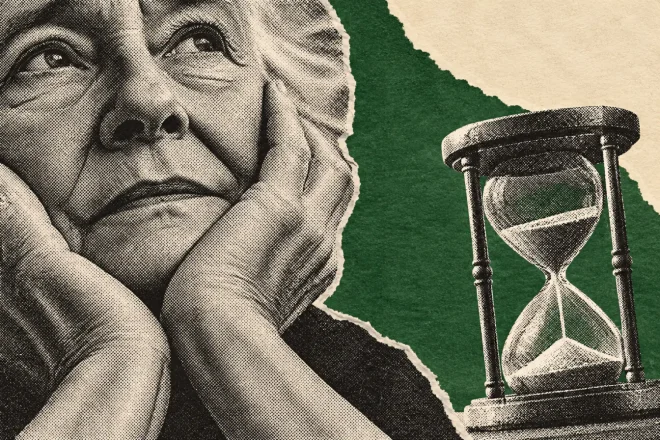
Recent findings suggest that individuals over 60 who maintain religious faith tend to report higher levels of life satisfaction. The connection between spirituality and well-being in later life is drawing increasing interest from researchers and health professionals alike.
TL;DR
- Religiosity and spirituality boost seniors’ life satisfaction.
- Study surveyed over 5,600 people above age 60.
- Impact strongly depends on cultural and social context.
Context Shapes the Role of Faith in Later Life
For individuals aged over 60, the influence of religiosity and spirituality on overall life satisfaction is unmistakable—but, as a recent large-scale study has revealed, there’s a caveat: context matters. Conducted across several regions and encompassing more than 5,600 participants, this research sheds fresh light on how personal beliefs intertwine with well-being in our later years.
A Closer Look at the Findings
The team behind this survey set out to explore whether spiritual practices or religious faith offer tangible benefits for seniors. Their conclusions are clear: those who engage in such activities tend to report higher satisfaction with their lives post-retirement. Yet, these outcomes cannot be considered in isolation. The study emphasizes that social norms, traditions, and even regional history play a decisive role in amplifying or mitigating these positive effects.
The Interplay of Spirituality, Religion, and Society
Why does context matter so much? Several factors explain this relationship:
- Cultural acceptance: In communities where religious practice is widespread, faith often brings stronger social support.
- Community bonds: Rituals and shared beliefs foster a sense of belonging among older adults.
- Personal meaning: Spirituality can help individuals find purpose as life circumstances change with age.
Beyond Simple Answers
No single factor determines the well-being of seniors; rather, it’s the subtle interplay between individual beliefs and their environment that shapes outcomes. According to the researchers, fostering an inclusive atmosphere—where spiritual expression is respected—may help maximize these positive effects for all older adults.
The nuances highlighted by this study challenge us to move past blanket assumptions about aging and happiness. Whether within bustling cities or small rural communities, the impact of faith after age sixty hinges not just on personal conviction but also on society’s openness to diverse forms of meaning-making. For policymakers and care providers alike, these findings offer compelling insights into supporting well-being among our growing senior population.