How Pythons Could Revolutionize Future Weight Loss Treatments
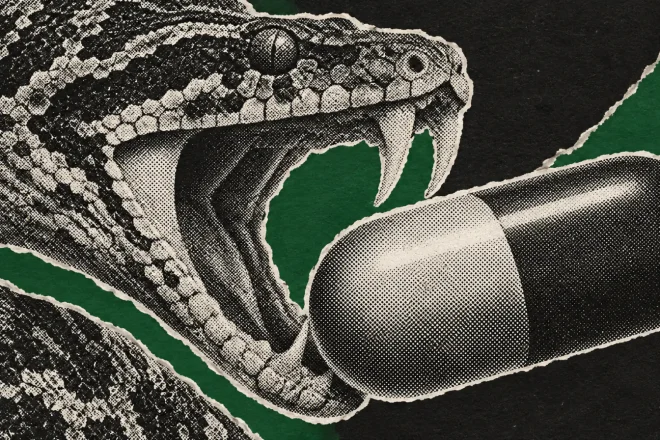
Scientists are investigating how pythons efficiently process and store nutrients after feeding, hoping that insights from these snakes could inspire new strategies or breakthroughs in obesity treatments and weight management for humans in the future.
TL;DR
- Python molecule suppresses appetite without major side effects.
- Discovery could improve future anti-obesity treatments.
- Research highlights nature’s potential for medical innovation.
Breakthrough in Obesity Treatment from Unexpected Source
The hunt for more effective and safer solutions to tackle obesity has just taken an unexpected turn. This week, a team of scientists reported isolating a unique molecule in the digestive system of the python, which appears to suppress appetite—significantly—while avoiding some of the adverse effects frequently linked to current anti-obesity drugs.
A Molecule with a Difference
Current medications prescribed for obesity, while sometimes successful at curbing hunger, often bring along unwanted consequences such as nausea or even cardiovascular concerns. Now, inspired by nature’s ingenuity, researchers focused on the remarkable physiology of the python, a reptile renowned for its ability to go weeks between meals without ill effect. By studying these snakes, the team identified a molecule that seems to dampen appetite but, crucially, doesn’t trigger the negative reactions observed in many human patients.
The Path from Snake Physiology to Human Health
Several factors explain why this discovery stands out:
- The molecule targets satiety pathways more selectively than existing drugs.
- Pythons naturally endure prolonged fasting without damaging their organs or metabolism.
- Initial tests suggest fewer side effects, hinting at improved patient tolerance.
These findings open up new possibilities for developing therapies that harness natural biological strategies rather than relying solely on synthetic compounds.
A Glimpse into Future Therapies
While much work remains before this molecule could be used clinically—human trials and safety assessments will take years—the initial results are promising. The study not only provides hope for those struggling with obesity but also underscores how observing nature can drive genuine medical innovation. Scientists now face the challenge of translating these early discoveries into practical treatments suitable for humans.
Ultimately, what started as curiosity about how a snake survives long periods without eating may end up changing lives far beyond the animal kingdom. This research serves as a reminder: sometimes breakthroughs come from where we least expect them—and from creatures that quietly hold secrets to some of medicine’s toughest puzzles.