EU Budget Dispute: Macron Challenges Le Pen Amid Stalled Agreement
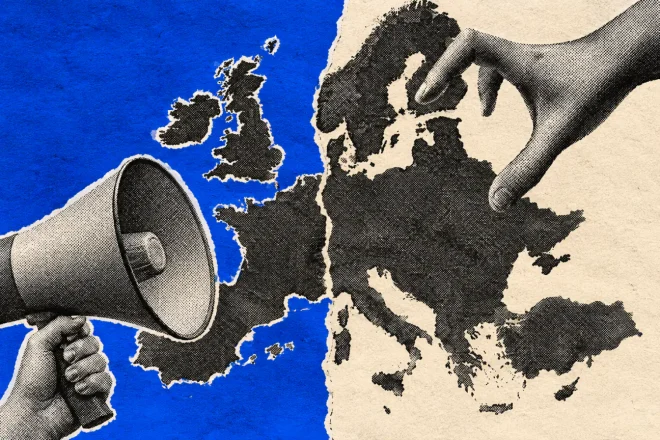
As discussions over the European Union budget continue to stall, French President Emmanuel Macron has sharpened his criticism of far-right rival Marine Le Pen, highlighting growing political tensions while negotiators struggle to bridge persistent divisions among member states.
TL;DR
- EU leaders failed to agree on 2028-2034 budget.
- Macron and Le Pen already trading public responses.
- Political tensions rise over Europe’s financial future.
Stalled Negotiations on EU Budget
Discord has gripped the heart of the European Union, as the bloc’s twenty-seven member states were unable to reach a consensus on the next multiannual budget, which covers the critical period from 2028 to 2034. Behind closed doors in Brussels, attempts at compromise have repeatedly foundered on issues ranging from agriculture subsidies to funding for strategic projects. The failure comes at a sensitive time, with mounting pressure both inside and outside the union for clarity on Europe’s financial direction.
French Political Leaders Respond Swiftly
As soon as news of the deadlock broke, French politics entered the fray. President Emmanuel Macron, whose influence in European affairs has long been significant, wasted no time in voicing his perspective on what he characterized as an “urgent need for unity.” Almost immediately, his rival, far-right leader Marine Le Pen, issued a pointed response, sharply criticizing current EU priorities and highlighting what she views as longstanding shortcomings in French and European leadership.
The Roots of Disagreement
Several factors explain this decision:
- Divergent national interests between wealthier and less affluent states.
- Ongoing debates over contributions versus returns among key contributors like Germany and France.
- Tensions linked to emerging challenges such as security threats and climate change financing.
With complex demands on every side—ranging from economic recovery measures to commitments on digital transformation—the path to consensus remains elusive. These sticking points have only served to deepen mistrust among member nations.
A Broader Political Battle
It is clear that more than numbers are at stake. The stalemate comes against a backdrop of intensifying political competition within France itself, where both Macron and Le Pen are positioning themselves ahead of future elections by projecting authority—or offering sharp critique—on matters that resonate deeply with their constituencies. The inability of EU leaders to finalize a budget threatens not only economic planning across Europe but also provides fodder for those questioning the very viability of shared governance in turbulent times.
How—and if—a compromise will be forged remains uncertain. For now, the impasse underscores both the complexity of balancing twenty-seven national priorities and the way Brussels’ decisions reverberate well beyond its walls.