A Fast-Growing, Overlooked Salad Green That Belongs in Your Garden
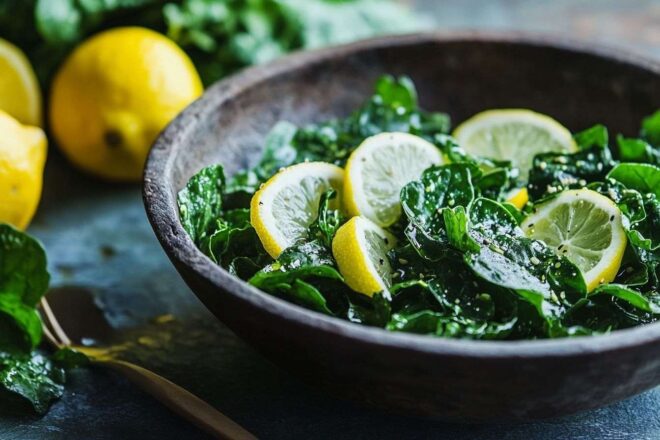
Often overlooked by home gardeners, this fast-growing leafy green offers both nutritional value and ease of cultivation. Its quick harvest cycle makes it an ideal addition for those seeking to diversify and optimize their vegetable gardens.
TL;DR
A Leafy Green for the Cold Months
When temperatures drop and most gardens are stripped bare, the search for resilient leafy greens becomes a matter of both taste and practicality. One lesser-known contender has quietly gained traction: tatsoi, also known as Brassica rosularius. While many gardeners give up on fresh greens as winter approaches, tatsoi stands out for its hardiness and subtle flavor—a combination that may well earn it a place in any cool-season plot.
The Surprising Advantages of Tatsoi
First cultivated in parts of China and Japan, tatsoi’s reputation is built on both speed and endurance. Unlike traditional lettuce, which falters as the mercury dips, tatsoi can shrug off frosts as cold as –6°C. This remarkable resistance is matched by an equally impressive growth rate: maturity is reached within just 40 to 50 days. In fact, this rapid cycle often surprises newcomers who expect leafy vegetables to demand more patience.
Such qualities make it a natural fit alongside other Asian greens like bok choy or mustard—both in winter garden beds and vibrant salads alike. It’s not merely the toughness that appeals, but also its mild yet distinctive taste and the texture it brings to the table.
How to Grow Tatsoi: Simple Steps for Success
For those tempted by its charms, cultivating tatsoi is refreshingly straightforward. The seeds may not be as ubiquitous as those of lettuce, but numerous specialty vendors online do carry them. Gardeners have two primary options for planting:
A sunlit spot boosts vigor; regular watering ensures steady development if rainfall is lacking. When it comes time to harvest, flexibility reigns: either cut entire rosettes or pluck outer leaves as needed—the so-called “cut-and-come-again” approach extends production over several weeks.
Tips and Combinations for Year-Round Greens
There’s one caveat: as days lengthen and temperatures rise, tatsoi may bolt to seed rather than leaf. Spring or autumn sowing avoids this pitfall. Finally, its compatibility with other Asian greens—similar needs but varied flavors—brings diversity both to garden rows and dinner plates. For anyone eager to keep their garden lush through chilly months or simply shake up their salad routine, tatsoi’s virtues are hard to overlook.