A Hardy Fruit Tree That Thrives Even in Rocky Soil
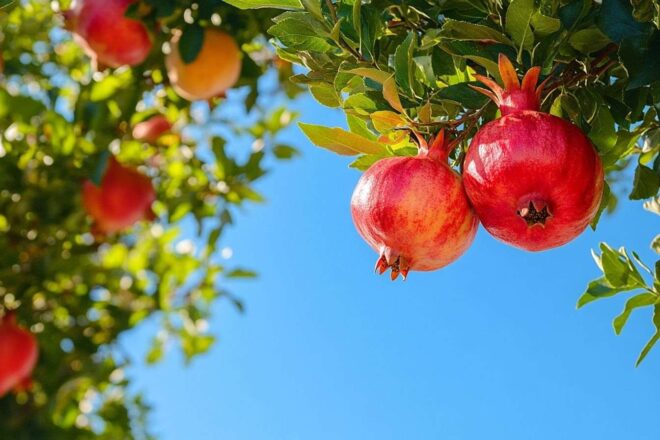
A resilient fruit tree thrives in rocky soils, demonstrating remarkable adaptability and strength. Its ability to flourish under challenging conditions makes it an appealing choice for gardeners seeking hardy, productive plants in less-than-ideal environments.
TL;DR
- Pomegranate thrives in rocky, challenging soils.
- Proper soil amendments boost growth and fruit yield.
- Fruit offers ancient health benefits and symbolism.
Pomegranate: A Fruit Tree Built for Rocky Terrain
Despite the frustration many gardeners feel when faced with a stone-littered garden bed, some plants—remarkably—see opportunity where others see only obstacles. Chief among them is the pomegranate (Punica granatum), a tree whose tenacity has been celebrated across centuries and civilizations.
An Ancient Survivor With Modern Relevance
Native to the arid landscapes stretching from Iran to northern India, the pomegranate’s journey through history is deeply entwined with the cultures of the Mediterranean. Its roots run deep not only in myth—think Persephone’s fateful seeds—but also in practical horticulture. Renowned cultivars such as ‘Wonderful’ demonstrate this species’ knack for survival, sometimes reaching up to six meters high while enduring drought and poor soils typical of hardiness zones 8 through 11.
This adaptability isn’t mere luck. The pomegranate stands out for its ability to thrive where other fruit trees struggle, tolerating both searing heat and minimal water. Its resilience makes it a prime candidate for gardeners battling rocky or compacted ground.
Keys to Success on Stony Ground
Yet, even these robust trees benefit from a little strategic care, particularly when planted in less-than-ideal substrates. Rocky soils tend to compact easily and drain quickly, creating challenges for moisture retention—a factor crucial for bountiful harvests. While the pomegranate’s drought tolerance is impressive, consistent irrigation remains essential if one’s goal is generous yields of those antioxidant-rich fruits.
For optimal results, experts recommend a few targeted actions:
- Add a thick layer (about 15 cm) of organic compost or well-rotted manure to enrich soil nutrients.
- Cultivate the area to integrate amendments thoroughly and remove larger stones.
- Apply mulch to retain soil moisture and stabilize structure.
These simple measures enhance both the nutrient profile and water-holding capacity of stony earth, laying the groundwork for healthy root systems.
A Timeless Symbol With Contemporary Appeal
Throughout antiquity, the pomegranate was venerated not just for its flavor but as a symbol of fertility and perseverance against adversity. Today, its ruby-red fruits—loaded with antioxidants—present an elegant answer for anyone coping with rocky gardens. In short: perhaps it’s time we stopped worrying about stony soil and started seeing it as an invitation to grow something extraordinary.