A Single Generous Act Restores Sight to Two People Through Eye Donation
ADN
A single act of generosity has restored sight to two individuals through eye donation. This remarkable contribution highlights the profound impact one donor can have, offering renewed hope and vision to recipients whose lives are transformed by this gift.
TL;DR
A Campaign to Restore Sight: India’s Eye Donation Fortnight
As late August arrives each year, the vast expanse of India marks a unique campaign—the annual Eye Donation Fortnight, running from August 25 to September 8. While the effort aims to shine a light on the transformative potential of cornea donation, many remain unfamiliar with both its simplicity and profound impact. This lack of awareness persists even as the need for donated corneal tissue continues to rise.
The Profound Simplicity of Cornea Donation
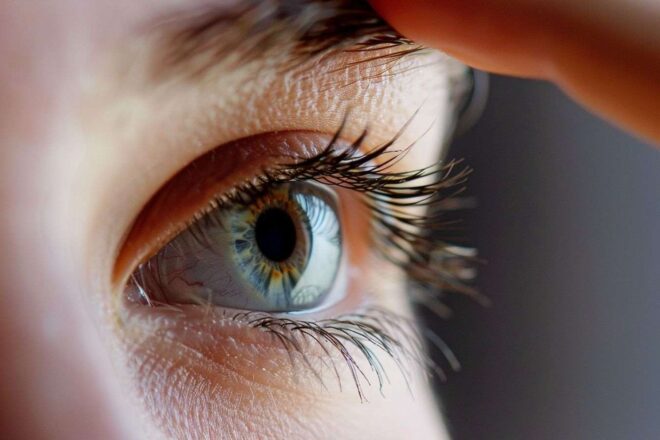
So, what exactly does it mean to donate your eyes? In essence, this act involves leaving your corneas—a transparent membrane vital for vision—to others after your passing. When illness or injury damages this delicate part of the eye, blindness may follow. Through a successful transplant, recipients are often granted not only hope but the chance to see again. Remarkably, just one donor can restore sight for two separate individuals, doubling the ripple effect of this generous gesture.
Who Can Be an Eye Donor?
One might wonder about eligibility for such a significant contribution. Unlike some forms of organ donation that come with strict criteria, cornea donation is unusually inclusive:
- No restrictions based on age, sex, or blood group
- Eyeglass wearers and those with hypertension remain eligible
- Exclusions only for active infections (like HIV or hepatitis), widespread cancer, or severe eye diseases
This broad accessibility makes donating one’s corneas one of the more straightforward options within the wider realm of organ donation.
The Importance of Timely Action and Medical Safety
However, timing proves crucial. Medical professionals stress that retrieval should occur within six hours after death for best results—making immediate notification of the nearest eye bank absolutely vital. Afterward, every donor undergoes a medical evaluation to safeguard against infectious risk for recipients.
Despite its rarity today, cornea donation holds tremendous promise: transforming loss into renewed vision for those living in darkness. As Dr. Manmeet Singh from Artemis Eye Centre so aptly puts it: “Let us pledge our eyes so that someone waiting in hope can truly see again.” The call is clear—even small acts can illuminate lives in ways we might never fully imagine.