Air India: Thriving Airline Embodied Booming Market Before Tragedy Struck
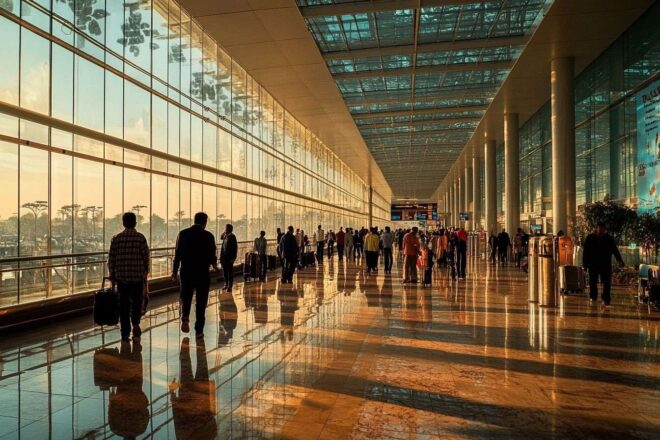
Air India stood as a thriving airline, reflecting the rapid growth and dynamism of India's aviation sector. The carrier's success mirrored the country's expanding air travel market, all before it was struck by a devastating tragedy.
Tl;dr
- Boeing 787 crash raises questions for Air India.
- Tata invests massively in fleet modernization.
- India’s air sector grows amid safety and training challenges.
The Immediate Aftermath: Air India Faces Turbulence
Thursday’s tragic crash of a Boeing 787 in northwestern India has sent shockwaves through both the country and the aviation industry. The ill-fated aircraft, carrying 242 passengers and crew on a flight from Ahmedabad to London Gatwick, has once again brought into focus the role and responsibilities of national carrier Air India. Now under the ownership of the influential family conglomerate Tata, the airline finds itself grappling with tough questions about operational safety and strategic direction.
Tata’s Bold Gamble: Modernizing Air India
Since its acquisition of a weakened Air India in 2022, Tata has been relentless in its efforts to modernize the airline’s fleet. Over the past two years, nearly 570 new aircraft have been ordered. This ambitious expansion adds to an already sizable fleet of more than 190 planes—34 of which are « Dreamliner » models, a cornerstone in Tata’s plans for renewal. Alongside new purchases, a $400 million renovation program, launched in September 2024, aims to update 67 older planes.
This scale-up isn’t merely symbolic; it allows the airline to operate over 5,000 weekly flights, connecting major Indian cities with destinations across more than thirty countries. For context, this effort is part of Tata’s broader vision to place Air India at the center of global aviation.
An Expanding Market—and Its Pressures
What makes these developments particularly striking is the broader context: With a population nearing 1.5 billion, India now ranks as the world’s third-largest aviation market behind only the US and China. According to data from IATA, air transport contributes approximately 1.5% to India’s GDP, supporting around eight million jobs directly or indirectly.
Passenger numbers are soaring as well; over 185 million travelers flew in 2023, surpassing pre-pandemic records by a comfortable margin.
The Road Ahead: Ambitions Versus Realities?
Looking forward, government officials are determined to transform infrastructure dramatically—targeting nearly 400 airports by 2047, up from just 74 in 2014 and already reaching 157 today. Ambitious targets also include rapidly expanding training for pilots (some 10,000 needed within five years), engineers, and crew members.
However, events like Thursday’s accident inevitably cast shadows over such momentum. Whether this tragedy will prove a temporary setback or prompt deeper questions about growth and safety remains uncertain. In short, while political will is strong and investment robust, there are no guarantees that technical and human challenges won’t slow India’s remarkable ascent in global aviation.