Air Pollution Linked to Increased Suicide Risk, Study Finds
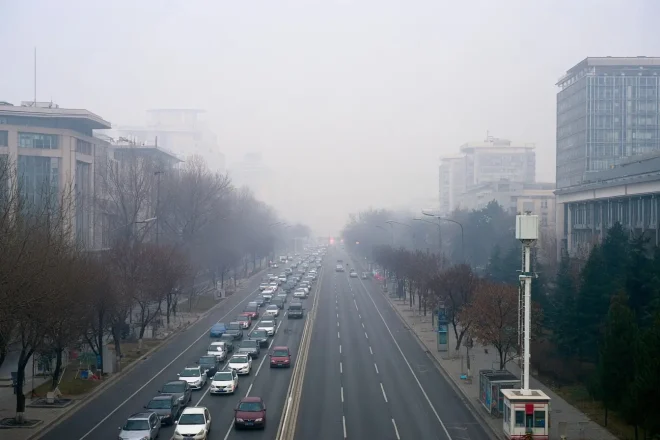
Researchers are increasingly concerned about the potential connection between air pollution and suicide rates, as emerging studies suggest that poor air quality may play a role in mental health crises and suicidal behavior.
TL;DR
- Fine particles and NO2 linked to higher suicide risk.
- Analysis draws on 45 studies worldwide.
- Pollution exposure may influence suicidal thoughts.
Pollution’s Shadow: Air Quality and Mental Health Risks
A recent sweeping analysis has illuminated a troubling link between certain types of air pollution and an increased risk of both suicide and suicidal ideation. Drawing data from 45 separate studies, researchers have brought renewed urgency to the conversation around the less visible—yet profoundly impactful—effects of environmental hazards on mental health.
Key Pollutants Under Scrutiny
The review, involving diverse international teams, zeroed in on a handful of pollutants but found particularly strong associations with fine particulate matter (PM2.5) and nitrogen dioxide (NO2). These substances are commonly emitted by vehicles, industrial activity, and urban traffic—a fact starkly illustrated by images of congested avenues blanketed in exhaust.
A Global Perspective from Extensive Data
To reach their conclusions, scientists examined a wide range of research conducted across continents and demographic groups. Their systematic approach involved assessing how exposure to air pollution correlated with self-harm or suicidal thoughts. Several factors explain this decision:
- The rising prevalence of mood disorders in urban environments.
- An expanding body of research linking physical health to mental health.
- The persistent presence of harmful pollutants in densely populated areas.
Findings indicate that chronic exposure to even modest levels of PM2.5 and NO2 can elevate the likelihood not only of developing depressive symptoms but also experiencing acute psychological distress.
A Call for Broader Public Health Attention
While the mechanisms behind these associations remain under investigation, the results highlight a pressing need for policymakers and public health agencies—such as the World Health Organization—to consider mental well-being when evaluating environmental standards. In light of mounting evidence, there is growing consensus among experts that tackling urban pollution could yield benefits extending far beyond respiratory health, touching on society’s deepest vulnerabilities.
As cities expand and traffic volumes swell, it becomes increasingly clear that safeguarding mental health means rethinking how we approach—and regulate—the air we breathe.