Amazon River Hits 41°C: Record Heat Triggers Ecological Crisis
ADN
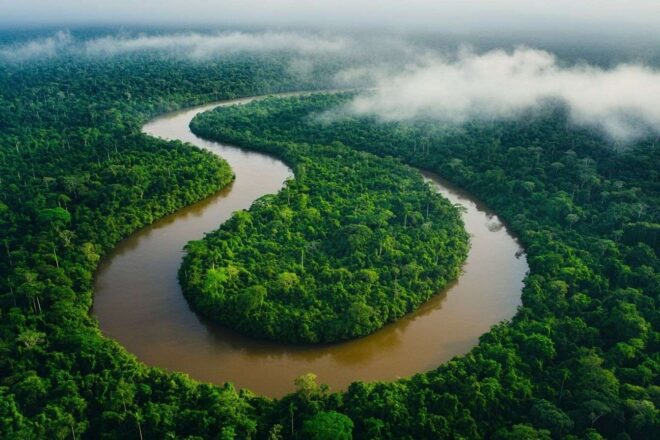
The Amazon region is experiencing unprecedented heat, with river temperatures soaring to 41°C. This extreme event poses a severe threat to the local ecosystem, raising urgent concerns among environmentalists and scientists about potential widespread ecological damage.
TL;DR
- Amazon basin faces record-breaking water temperature rise.
- River dolphin and fish populations suffer massive losses.
- COP30 focuses on Amazon’s urgent climate challenges.
Unprecedented Warming in Amazon Waters
Amid global attention during the opening days of the COP30 climate summit in Belém, Brazil, an alarming scientific report has thrust the fate of the Amazon rainforest into the spotlight. Just days before nearly 50,000 participants gathered to discuss planetary threats, a study published in the journal Science revealed record-breaking temperature spikes in several Amazonian lakes. Researchers, part of an international team, documented that in 2023, five out of ten monitored lakes experienced water temperatures exceeding 37°C, with one site shockingly reaching 41°C at a depth of two meters. Even more striking: a single lake underwent a thermal shift of 13°C within just one day.
A Disaster for Biodiversity
Such extreme warming carries devastating consequences for the delicate ecosystem that defines the region. On the shores of Lake Tefé, observers counted over 200 dead river dolphins in less than two months—a tragic indicator of an ecological system under unbearable strain. Fish populations have also suffered dramatic losses. The sudden spike in mortality among aquatic species is not only distressing but signals deeper disruptions across food chains and local communities relying on these resources.
Underlying Causes: Climate Extremes and Long-term Trends
Several factors explain this disturbing situation:
- Droughts intensified by a prolonged heatwave gripped the region.
- A persistent trend—satellite data since 1990 shows average lake temperatures rising by approximately 0.6°C per decade.
- The year 2023 stood out for unprecedented heatwaves affecting ecosystems worldwide and delivering exceptional stress to the Amazon basin.
Researchers point to this confluence of acute weather events and ongoing climate change as key drivers behind these alarming patterns.
The Road Ahead at COP30
The crisis unfolding in the Amazon has become impossible to overlook as delegates debate policy responses at COP30. Echoing this urgency, Brazilian President Luiz Inacio Lula da Silva characterized safeguarding the world’s largest tropical forest as nothing less than “a question of survival.” For scientists and policymakers alike, recent events underscore an uncomfortable reality: without bold action and renewed international commitment, such ecological catastrophes may become alarmingly routine. The summit’s challenge lies not merely in drawing attention to these issues, but in forging robust solutions that match both the scale and speed of this growing threat.