Apple Cuts Vision Pro Investment Following Weak Sales
Apple / PR-ADN
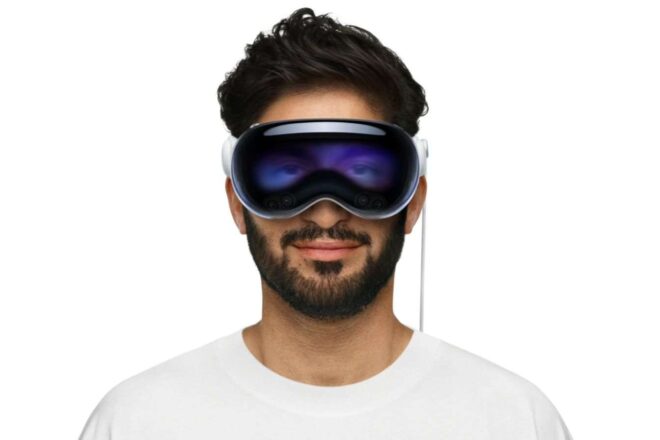
Apple is scaling back its investment in the Vision Pro headset following lower-than-expected sales, signaling challenges for the tech giant’s highly anticipated product and raising questions about the future of its mixed-reality ambitions.
TL;DR
- Apple Vision Pro faces sluggish sales and reduced marketing.
- High price, discomfort, and limited apps frustrate users.
- Apple eyes AI-powered smart glasses for future innovation.
Apple’s Vision Pro: A Rocky Start for the Tech Giant
When Apple unveiled its highly anticipated Vision Pro, the move was billed as the company’s next great leap after the iPhone and iPad. Yet, less than a year later, this much-hyped mixed reality headset is facing unexpectedly rough terrain. While fans expected another industry-defining success story, sales have sputtered and excitement has cooled.
Poor Reception Hampers Ambitions
Behind closed doors, it seems even Apple’s confidence is wavering. According to an investigation by the Financial Times, the firm has quietly slashed its marketing budget for the Vision Pro by nearly 95% for 2025. This dramatic cut suggests that demand hasn’t matched forecasts—though true to form, Apple has kept official numbers under wraps. The silence from Cupertino has only fueled speculation about whether the device is already considered a misstep inside the company.
Main Barriers: Price, Comfort, and Experience
Several factors explain this cautious consumer response:
- The headset’s hefty $3,499 price tag places it well out of reach for most consumers.
- Early adopters cite discomfort from prolonged use—its weight and battery life remain sticking points.
- The lack of compelling exclusive applications makes justifying such an investment even harder.
Frustrations don’t end there. The still-limited functionality of Siri on this platform leaves some users dissatisfied with voice control, highlighting how essential polish is missing from the overall experience.
The Broader VR Landscape and Apple’s Next Move
It would be simplistic to lay all blame at Apple’s feet. The global virtual reality market itself is experiencing turbulence: recent reports indicate that worldwide VR headset sales have dropped by around 14% year-over-year. Even category leader Méta, which dominates thanks to more affordable devices, has scaled back its own advertising as interest wanes across the sector.
Still, those betting against Apple may want to pause. Industry insiders suggest that the company is already exploring a pivot toward AI-driven smart glasses, aiming for a possible launch in late 2026. If these rumors pan out, Apple could once again shift digital habits—reminding us that setbacks are sometimes just staging grounds for bolder reinventions.