Apple Debunks iPhone 16 Rumors: C1 Modem Not Behind Missing MagSafe
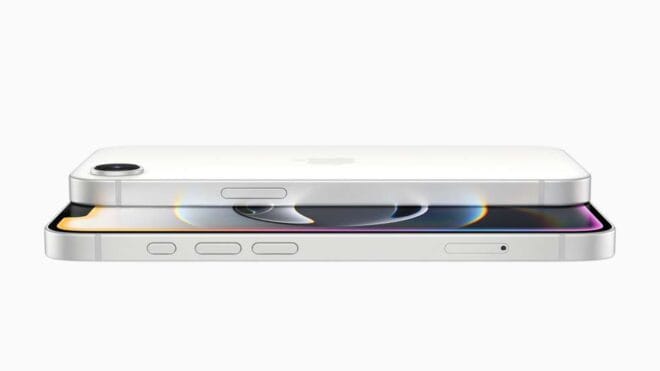
Apple has dismissed rumors about the iPhone 16, clarifying that the absence of MagSafe technology is not due to the C1 modem.
Controversy Surrounds New iPhone 16e Release
Apple has just unveiled the iPhone 16e, a mid-range smartphone that’s already causing a stir due to the absence of the MagSafe charging system. This has sparked widespread speculation about the reasons behind the decision.
Rumors Surrounding the C1 Modem
One rumor suggested that MagSafe magnets were incompatible with Apple’s C1 modem, potentially interfering with cellular connectivity. It was even hinted that Apple removed MagSafe to ensure a stable connection with the iPhone 16e.
However, Apple quickly debunked this rumor in response to an updated Macworld article: “Apple confirmed to Macworld that the C1 modem is not the reason for excluding MagSafe charging from the new iPhone 16e.”
Third-Party Tests Confirm Apple’s Denial
A report from 9to5Mac supports Apple’s statement, showing that the C1 modem does not affect the absence of MagSafe. An anonymous case manufacturer conducted tests on wireless charging with both MagSafe-compatible and non-compatible cases. According to their findings, MagSafe cases achieved a 7.5W charging power, matching Apple’s advertised wireless charging speeds for the iPhone 16e, while non-MagSafe cases produced a weaker charge ranging from 4.2W to 6.5W.
Is the Removal of MagSafe a Cost-Cutting Measure?
All this controversy opens up speculation on the real reason behind MagSafe’s omission in the iPhone 16e. Often, the simplest explanation is that Apple aimed to cut costs, and the MagSafe charging system was a casualty of this strategy. Pre-orders for the iPhone 16e start today, with the launch scheduled for February 28.