Apple Reduces iPhone Fold Price for Affordable Foldable Phone
ADN
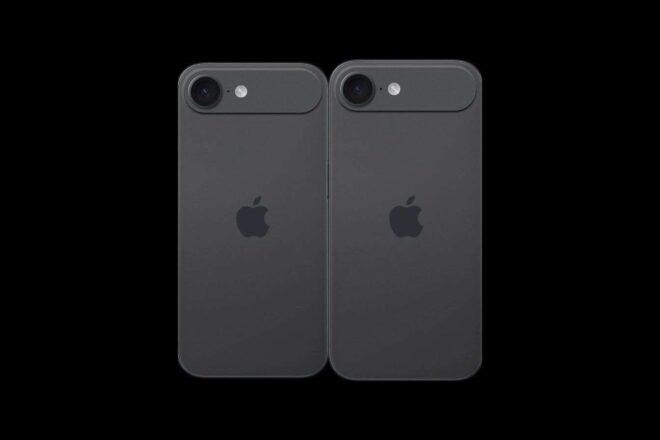
Apple is taking strategic steps to streamline the production expenses associated with its upcoming iPhone Fold. By refining manufacturing processes, the tech giant aims to make its foldable device more competitive in both cost and market appeal.
TL;DR
- iPhone Fold hinge cost drops by up to 40%.
- Industrial alliances may reshape foldable phone supply chains.
- Lower costs could boost foldable phone market adoption.
New Era for Foldables: Cheaper Hinge Shakes Up the Industry
After years of speculation, a clearer picture is emerging around Apple’s long-awaited venture into the world of foldable smartphones. Recent insights from analyst Ming-Chi Kuo suggest that the central component—the hinge—for the upcoming iPhone Fold will be significantly less expensive than industry insiders previously anticipated.
Industrial Alliances Drive Down Costs
It is becoming clear that strategic collaborations underpin this shift. At the heart of the development, manufacturing giant Foxconn has joined forces with Shin Zu Shing, while Amphenol holds a minority stake. Thanks to these alliances, the projected unit price for the new hinge has plummeted to $70–$80, well below the earlier estimates ranging from $100 to $120—a remarkable reduction of up to 40%. This price drop not only streamlines Apple’s production ambitions but also hints at broader consequences for the entire sector.
Looking ahead, the supplier landscape is set for further transformation. Industry sources indicate that additional players such as Luxshare could enter the supply chain as early as 2027, potentially triggering another wave of cost reductions.
Cascading Effects Across the Foldable Market
If there’s one certainty, it’s that these developments are likely to reverberate well beyond Apple’s own product line. Currently, top-tier foldables like the Samsung Galaxy Z Fold 7 still command high retail prices, largely due to costly components such as flexible screens and dual batteries. Should Apple, bolstered by its vast production volumes and negotiating power, succeed in slashing hinge costs, a ripple effect may emerge: rivals could benefit from lower supplier prices, potentially opening the floodgates for broader market adoption.
Several factors explain this momentum:
- The rapid pace of innovation in components—hinges, screens, batteries.
- The scaling effects made possible by major players like Apple and Foxconn.
- The steady entry of new suppliers into the industrial chain.
Toward Mainstream Adoption?
Despite some lingering uncertainty—after all, an official unveiling of the iPhone Fold is still at least a year away—the substantial decrease in hinge costs marks a pivotal step. For those tracking the evolution of foldable phones, this signals tangible progress toward making these devices more accessible and perhaps finally crossing the threshold into mainstream acceptance. Industry watchers remain cautious but optimistic as the technology edges ever closer to everyday consumers.