Apple to Launch Lighter, More Powerful Vision Pro 2 Spatial Computer in 2026
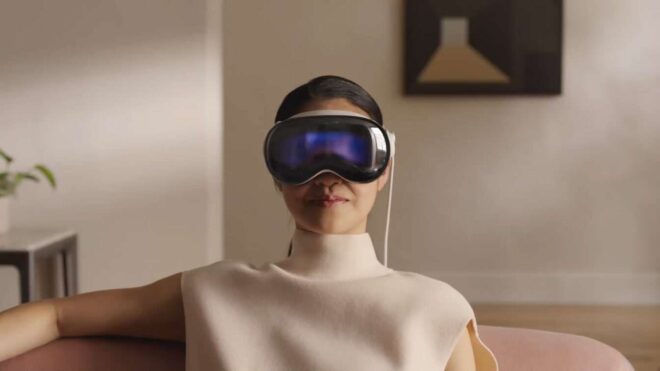
Apple is reportedly preparing to launch a lighter and more powerful second-generation Vision Pro headset in 2026, aiming to enhance its spatial computing capabilities and deliver a more comfortable user experience for consumers.
TL;DR
A New Chip on the Horizon
While the spotlight recently shone on the unveiling of the iPhone 17, attention is quietly shifting to another promising development from Apple: a next-generation version of its immersive headset, the Apple Vision Pro. Fresh reports from Taiwan’s Commercial Times, echoed by MacRumors, suggest that a redesigned model could debut as soon as 2026—equipped with a groundbreaking new processor, the R2 chip. This innovation stands to redefine how users experience mixed reality.
R2: The Promise of Unseen Performance
Analysts are especially intrigued by what the R2 could bring to the table. Today’s Vision Pro integrates both an M2 and an R1 processor; the latter handles real-time data from a suite of twelve cameras, five sensors, and six microphones—generating images in a blink-fast 12 milliseconds. But if rumors hold true, the future R2 chip, manufactured by TSMC using a cutting-edge 2-nanometer process (shared with upcoming A20 and M6 chips), would represent not just an incremental step, but potentially a leap forward in both power and energy efficiency.
Design Overhaul and Market Challenges
Speculation over form factor changes is just as intense. Whispers point toward a major redesign aimed at shedding weight and boosting comfort—two pain points cited by early adopters. As John Gearty, former Apple engineering lead and now CEO of PulseJet Studios, observes: “A hardware revision is critical to making Vision Pro truly mainstream.” He even envisions an “Apple Vision Air” model in place of the expected Pro 2, hinting at both a slimmer device and perhaps a fresh marketing strategy.
Here’s what industry watchers see as top priorities for Apple’s roadmap:
The Road Ahead: Enthusiasm Meets Caution
Although technical specifics about the current R1 remain closely guarded—its architecture likely rooted in TSMC’s earlier 3-nanometer process—all eyes are now fixed on Cupertino. If Apple manages to deliver on these ambitious expectations, users might finally see mixed reality go mainstream. Yet for now, anticipation will have to suffice until real details emerge from behind closed doors.