Are You Cutting Flower Stems the Wrong Way? Here’s What You Should Know
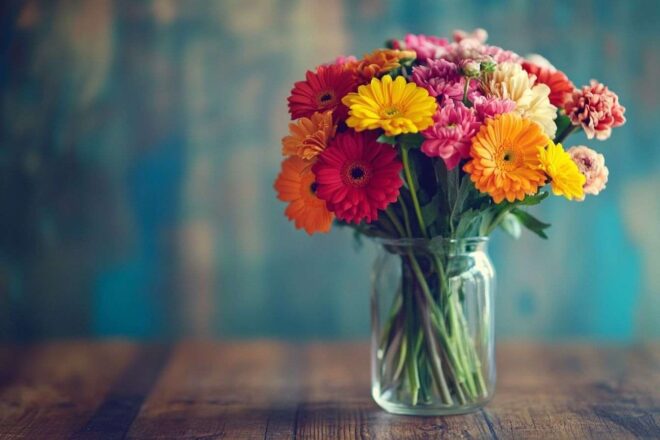
Many people trim flower stems to prolong freshness, but common techniques may be less effective than expected. Rethinking how you cut your flowers could make a significant difference in their longevity and overall appearance at home.
TL;DR
Fresh Flowers at Home: Simple Gestures, Lasting Beauty
Bringing fresh flowers—whether from your own garden or a local florist—can instantly enliven any living space. Yet, preserving the vibrant charm of a bouquet demands more than just placing it in a vase. In fact, the journey to prolonged freshness begins at the very first snip of the stem.
The Subtle Art of Cutting Stems
One might wonder: is there an ideal method to keep bouquets fresh as long as possible? The answer is nuanced. The very angle of the cut can be decisive. For most varieties, trimming stems at a 45-degree angle increases the water absorption area and keeps the base from sitting flat against the bottom of the vase—a common culprit for poor hydration. However, there are exceptions. For flowers with woody stems such as hydrangeas or lilacs, experts recommend not only an angled cut but also splitting the stem vertically to disrupt tough fibers and encourage better water flow. In contrast, bulbous blooms like tulips or daffodils fare best with a straight cut that respects their hollow structure.
The Role of Tools and Routine Care
A bouquet’s longevity hinges on small but crucial decisions. Using sharp, sanitized shears—or a keen knife—makes all the difference; blunt scissors risk crushing delicate vascular tissues within each stem. Immediately after cutting, plunging flowers into water prevents air bubbles from blocking vital hydration channels.
Before arranging flowers in a vase, don’t forget to remove any leaves that would sit below the waterline; this reduces bacterial growth—a major factor in premature wilting. But even after your bouquet is arranged, daily maintenance matters more than most realize. Here’s what seasoned florists advise:
This simple ritual ensures optimal water uptake as stem ends can seal off or become slimy over time.
Shielding Bouquets from Everyday Hazards
Oddly enough, flowers face threats even after careful preparation. Placement is key: avoid spots exposed to direct sunlight or sources of heat that speed up aging. Surprisingly, keeping bouquets away from ripening fruits—such as apples or bananas—is wise since these emit ethylene gas that accelerates floral decline. And when some blooms inevitably wilt ahead of others, swift removal will help preserve the vigor of what remains.
In sum, attention to detail—right from cut to care—significantly extends both life and splendor for your cut flowers. It’s an art grounded in science and refined by habit—a subtle luxury well within reach.