Artificial Skin for Prosthetics Detects Pain Signals to Prevent Injury
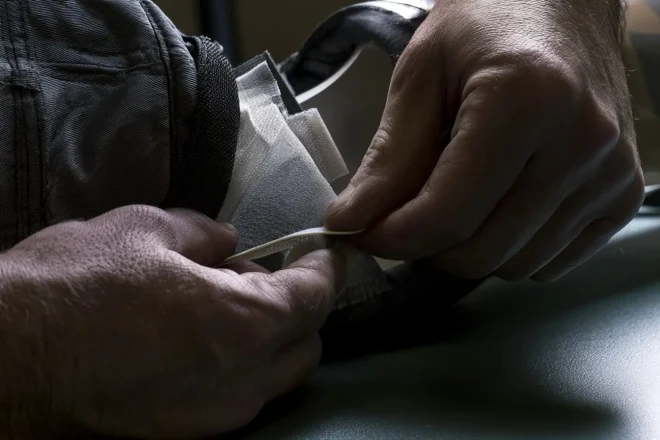
Researchers are developing an artificial skin for prosthetic limbs designed to detect potentially harmful stimuli and signal pain before injury occurs, aiming to enhance protection and sensory feedback for users of advanced prosthetic devices.
TL;DR
- Chinese team creates sensor for prosthetic sockets.
- Detects risky pressure points before injury occurs.
- Aims to improve comfort and safety for users.
Breakthrough in Prosthetics: Chinese Researchers Develop Innovative Sensor
A team of Chinese researchers has unveiled a promising advancement in the field of prosthetics: a compact sensor designed to fit seamlessly inside the socket of an artificial limb. The device, which targets areas of potentially hazardous pressure, is being hailed as a significant stride toward improving both comfort and safety for those who rely on prosthetic devices.
Addressing a Pressing Problem
For individuals who use prostheses, one enduring challenge remains the risk of skin lesions caused by uneven or excessive pressure inside the socket—the critical point where the artificial limb meets the body. Such injuries can be painful, slow to heal, and disruptive to daily life. The Chinese innovation aims to preempt these issues by monitoring pressure distribution in real time.
How the Sensor Works
This new sensor, developed by researchers at a leading Chinese laboratory, is slim enough to be slipped directly into the prosthesis socket without causing discomfort or interfering with function. Once in place, it continuously tracks pressure points within the interface. When potentially damaging levels are detected, it sends an alert—allowing wearers or clinicians to make timely adjustments and prevent injury.
Several factors explain this decision:
- The high rate of pressure-related injuries among prosthesis users;
- The need for better real-time data on socket conditions;
- The desire to boost long-term health outcomes and device comfort.
Potential Impact on Daily Life
According to the research team, early detection of risky pressure not only helps avoid medical complications but may also increase user confidence and extend wear times. By integrating advanced monitoring technology into prosthetic design, manufacturers could soon offer more personalized solutions that cater directly to individual needs.
Experts in the sector view this development as part of a broader trend toward smarter and more responsive assistive technologies. If further tests confirm its effectiveness, this sensor could represent a new standard for safeguarding users’ well-being and maximizing the benefits of modern prosthetics.