Australia Bans Social Media for Under 16s – A Model for France?
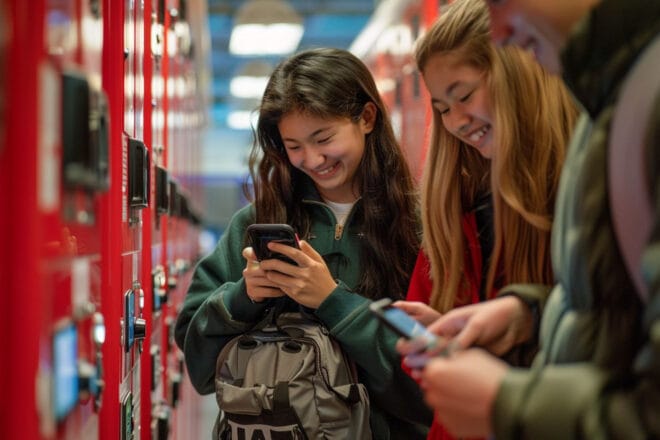
The recurring debate on the potential harmful effects of social media on youth continues, yet banning it may not be the best solution. What then is the most effective way to manage this issue?
Australian Prime Minister Tightens Social Media Use for Youth
The perennial issue of social media’s harmful effects on youth has resurfaced. Australian Prime Minister, Anthony Albanese, is taking action. On November 7, 2024, he announced a tightening of social media usage on platforms such as Facebook, Instagram, Snapchat, and TikTok. Australians will now have to be 16 years old to use these networks.
Protecting Youth from the Harmful Effects of Social Media
The aim of this ban is to shield young users from various adverse effects linked to these platforms: misinformation, cyberbullying, violent content, etc. Similar restrictions have been considered in France, but the implementation remains unconvincing to researchers. They recommend enhanced media literacy education instead.
The Ease of Circumventing Restrictions
In practice, bypassing these restrictions is straightforward. Arcom’s 2022 data confirms this trend, showing that over two million minors visit pornographic sites monthly despite bans. Furthermore, a recent Statista study reveals that 87% of French 14-year-olds have at least one social media account, even though the law no. 2023-566 of July 7, 2023, restricts social media registration to those 15 and older without parental consent.
The Importance of Media Education
Rather than imposing bans, researchers advocate for education. However, media literacy is currently inadequate. Teachers lack training in Media and Information Literacy (MIL) and are often unprepared. They sometimes collaborate to teach, depending on the school’s policies. Professor Anne Cordier hopes that France will not resort to banning social media, emphasizing the importance of enforcing existing laws and educating the youth about media.