Available Vaccine Cuts Deaths by 30% and Slows Dementia
ADN
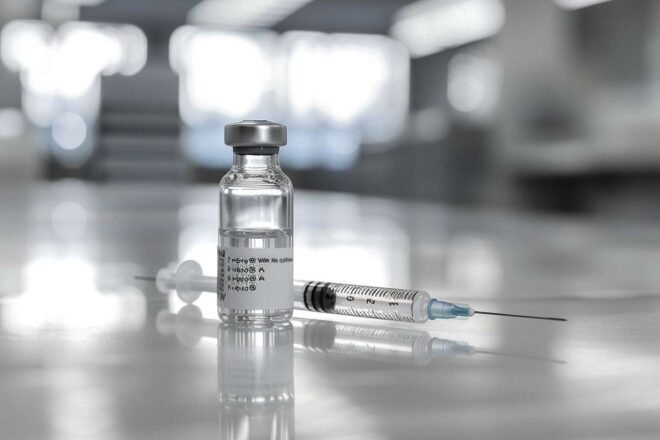
A widely accessible vaccine has been linked to a 30 percent reduction in mortality rates and may also help slow the progression of dementia, according to recent findings that highlight new potential benefits beyond its primary use.
TL;DR
- Shingles vaccine may slow dementia progression.
- Risk of dementia-related death drops with vaccination.
- Further research needed to confirm and explain findings.
A Surprising Link: Vaccination and Cognitive Health
Mounting scientific curiosity surrounds the connection between certain viral infections and neurodegenerative conditions such as dementia. An ongoing public health initiative in Wales, launched back in 2013, has shed unexpected light on this topic. The program, initially designed to immunize older adults against shingles (caused by the varicella-zoster virus), has now opened new avenues for exploring how vaccines could potentially delay or prevent cognitive decline.
A Natural Experiment Reveals Clues
What sets the Welsh experience apart is a unique logistical quirk: only residents aged 79 were offered the shingles vaccine, while those just one year older were not. This small but crucial distinction allowed researchers to observe two nearly identical groups under real-world conditions—effectively creating a natural clinical trial. By analyzing these groups, scientists minimized confounding factors such as educational background or prior medical history, bolstering the reliability of their findings.
Impactful Outcomes Among Dementia Patients
Focusing on over 14,000 individuals already diagnosed with some form of dementia, investigators observed striking differences between those who received the vaccine and those who did not. Notably, vaccinated patients were almost 30% less likely to die from their disease within nine years. Progression from mild cognitive impairment—a frequent precursor to severe dementia—also appeared slower among those immunized. Several factors explain this decision:
- Significant reduction in dementia-related mortality rates
- Slowed onset of mild cognitive impairment symptoms
- Potential therapeutic benefits alongside prevention
While earlier studies hinted at similar protective effects, this comprehensive Welsh data adds an uncommon level of rigor to the discussion.
Cautious Optimism and Unanswered Questions
The results, described by epidemiologist Haroon Ahmed (Cardiff University) as “potentially transformative for public health,” nonetheless raise further questions. How exactly does the shingles vaccine exert its protective effect? Does it bolster immune function or simply curb chronic inflammation triggered by latent viruses?
Commenting from Stanford University, expert Pascal Geldsetzer stresses that while these results point toward both preventive and therapeutic potential, strict causality has yet to be established. Researchers will now need to replicate these promising outcomes in larger, more diverse populations—and evaluate the impact of newer vaccines recently introduced across the United Kingdom.
In short, while far from definitive, these early findings have injected fresh hope—and a dose of scientific intrigue—into ongoing efforts to combat one of aging’s most feared ailments.