Bagged Salad Safety: Why Cyclospora Warning Matters for Consumers
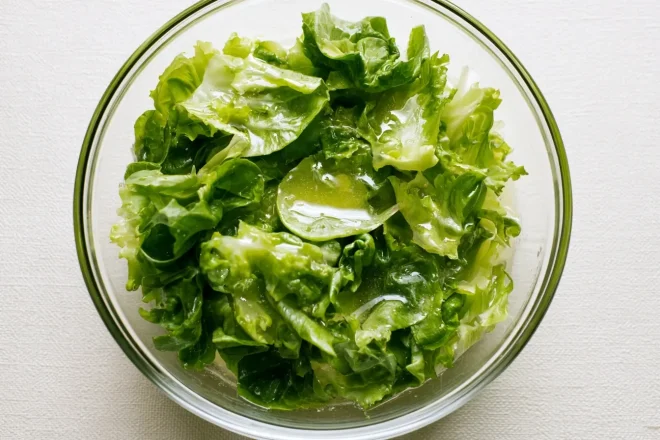
A recent alert concerning Cyclospora contamination in pre-packaged salads has raised serious concerns among health authorities and consumers. Understanding the risks associated with this parasite is crucial to ensuring food safety and preventing potential outbreaks.
TL;DR
- U.S. Cyclospora outbreak linked to Mexican iceberg lettuce.
- Simple rinsing does not remove the parasite effectively.
- Health authorities urge stricter food safety measures.
Spike in Cyclospora Cases: Iceberg Lettuce Implicated
Across the United States, a surge of intestinal illnesses has prompted a wave of concern among health officials. The common thread? An outbreak of Cyclospora, a parasitic infection, traced back to batches of iceberg lettuce imported from Mexico. As the number of cases climbs, investigators are working swiftly to pinpoint the source and limit further contamination.
The Problem with Rinsing Greens
Unlike many foodborne threats, Cyclospora presents a unique challenge: its microscopic oocysts cling stubbornly to leafy vegetables. Despite assumptions that a vigorous rinse under the tap would suffice, public health experts warn that this method is largely ineffective against the parasite. This revelation has left many consumers feeling vulnerable, especially as salads and raw greens remain dietary staples.
A Call for Enhanced Food Safety Protocols
Several factors explain this ongoing vulnerability:
- Cyclospora’s resilience to standard washing procedures;
- The complexity of cross-border supply chains;
- A lack of widespread awareness regarding proper decontamination methods.
Authorities from institutions such as the Centers for Disease Control and Prevention (CDC) have reiterated calls for improved handling standards throughout the distribution process. Inspections at border crossings and processing plants have intensified in response.
Consumer Guidance and Next Steps
In light of these developments, American shoppers are being advised to exercise caution when purchasing or consuming fresh lettuce—especially if its origin is uncertain. While cooking can neutralize the parasite, few opt to heat their salad greens, making prevention at earlier stages critical. Public health agencies recommend checking packaging for origin labels and staying alert for official advisories or recalls.
The incident underscores persistent gaps in global food safety oversight and raises uncomfortable questions about how fresh produce is sourced, handled, and prepared before it reaches supermarket shelves. As this story unfolds, consumers and regulators alike face a sobering reminder: sometimes, even basic precautions may not be enough against tenacious contaminants like Cyclospora.