Best Exercise Type for Lasting Sleep Quality Improvement, Study Finds
ADN
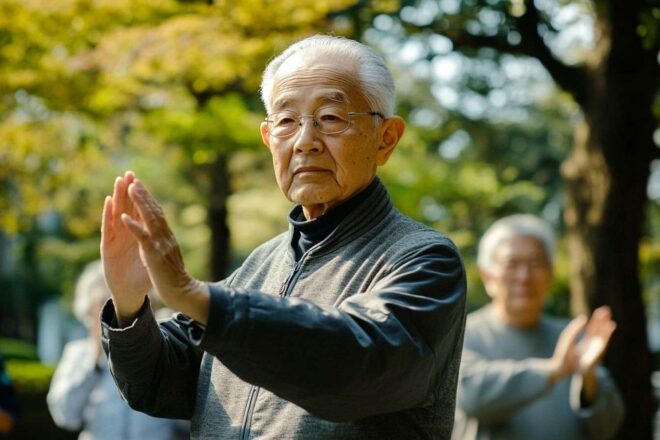
A recent study has identified a specific form of physical activity that can lead to lasting improvements in sleep quality. The findings suggest that certain exercises may offer an effective, long-term solution for those struggling with sleep issues.
TL;DR
- Tai chi matches CBT-I for long-term insomnia relief.
- Participants maintain tai chi more consistently post-study.
- Tai chi improves both sleep and overall health.
New Light on Chronic Insomnia Solutions
For adults over fifty, **chronic insomnia** remains a stubbornly persistent issue, disrupting not just sleep but overall health and daily functioning. While **cognitive behavioral therapy for insomnia (CBT-I)** is widely recognized as the gold standard for treatment, it is not always easy to access—limitations include a shortage of trained professionals and high costs. In this context, recent findings from a team at Hong Kong University offer a surprising contender: **tai chi**.
A Surprising Rival: Tai Chi’s Long-Term Impact
The research, overseen by exercise physiologist Parco M. Siu, involved 200 Chinese adults suffering from persistent insomnia. Participants joined one of two programs: a 24-session group series of either tai chi or CBT-I, each session lasting an hour. Notably, while CBT-I led to quicker initial improvements—gauged through the **Insomnia Severity Index**—follow-up fifteen months later revealed an unexpected twist. Those practicing tai chi displayed comparable progress in sleep quality, duration, overall well-being, and physical activity.
Why Do People Stick with Tai Chi?
Interestingly, the commitment to tai chi endured long after the study ended. Out of 85 tai chi participants, 31 continued their practice beyond the trial period—a far higher retention than the CBT-I group (13 out of 82). Several factors explain this decision:
- Cohesion: Group sessions encourage ongoing participation.
- Accessibility: No prior medical expertise is needed to begin.
- Whole-person benefits: Advantages extend to mental and cardiovascular health.
This enduring appeal may lie in tai chi’s adaptability; integrating gentle movement into daily routines seems less daunting than regular therapy appointments.
Tai Chi: A Promising Complementary Pathway
Of course, researchers maintain that **CBT-I** stands as an effective intervention with minimal side effects. Yet its limited accessibility urges exploration of alternatives for those left waiting or priced out. As the research team emphasizes, these results bolster support for using tai chi as a viable long-term strategy against chronic insomnia in middle-aged and older adults—a demographic particularly vulnerable to sleep-related health risks such as **cardiovascular disease** and cognitive decline. At a time when restful nights remain elusive for so many, integrating practices like tai chi could be a welcome step forward.