Best Knee Brace Selection Guide for Weak Knees and Activities
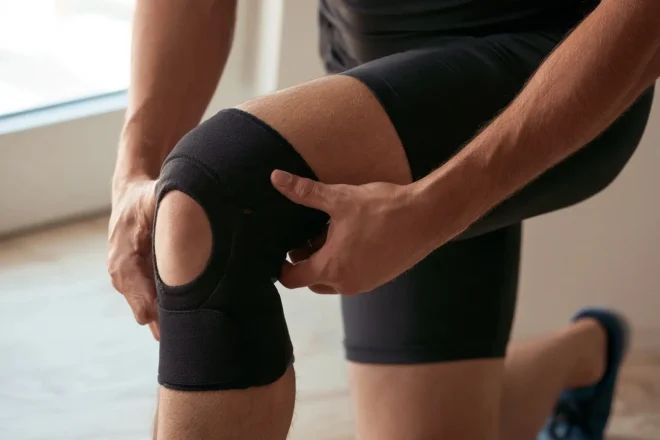
Selecting the appropriate knee brace is essential for those with vulnerable knees. The right support varies depending on activity, from sports to daily routines, and understanding these differences can help protect joint health and improve mobility.
TL;DR
- Knee braces vary by intended use and support level.
- Proper selection aids daily activity, sports, or rehabilitation.
- Support needs dictate the best knee brace choice.
Understanding the Function of Knee Braces
For individuals grappling with knee issues or aiming to prevent them, choosing the right knee brace can be surprisingly complex. Whether for everyday comfort, athletic performance, or post-injury rehabilitation, these supports are far from one-size-fits-all. In fact, their effectiveness hinges on a precise match between the brace’s design and the user’s specific needs.
The Importance of Support Level
What truly distinguishes one knee brace from another is the degree of support it offers. Some models deliver light compression suitable for mild instability or preventative use during routine activities. Others incorporate reinforced structures—think rigid side stays or adjustable straps—to offer increased stability for those returning from injury or facing more strenuous demands.
Tailoring Your Choice to Your Activities
Selecting an appropriate knee brace means weighing your main activity:
- For day-to-day movements, a flexible sleeve often suffices.
- Athletes generally benefit from moderate support that allows motion while safeguarding the joint.
- In cases of recovery after ligament damage, advanced braces with strong stabilizers are usually recommended by health professionals.
A Delicate Balance: Comfort and Protection
Striking the right balance between mobility and protection remains crucial. Too much restriction can impede movement; insufficient support may fail to protect vulnerable ligaments or tendons. Consulting a medical specialist or an experienced orthotist frequently leads to better outcomes and helps avoid common pitfalls in self-selection.
Ultimately, choosing a knee brace—whether for routine activities, sporting endeavors, or structured rehabilitation—is about aligning your expectations with the correct type and level of support. This personalized approach ensures not only improved comfort but also enhanced protection for one of the body’s most complex joints.