Black Friday: The Hidden and Risky Role of QR Codes
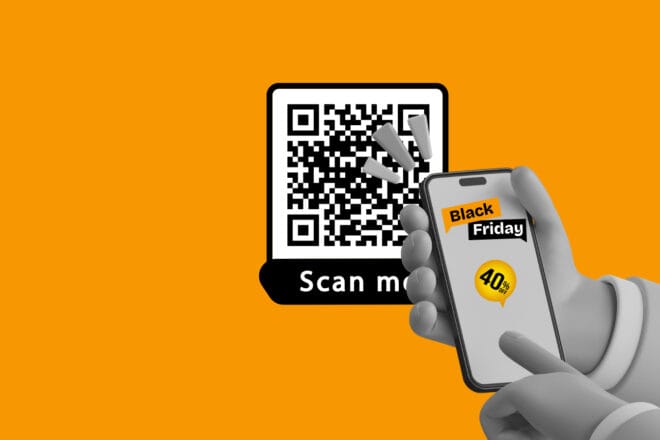
Cisco Talos warns that with only a quarter of consumers cautious about QR codes, hackers find an ideal playground, potentially increasing our vulnerability to cybercrime.
The New Cyber Threats of Black Friday
This year, a significant number of French people – roughly three out of four – plan to take advantage of Black Friday deals. This shopping frenzy, marked by a 30% increase in mobile purchases, has also caught the attention of cybercriminals. According to Cisco Talos, a leader in cybersecurity, malicious QR codes are among the emerging threats to watch out for.
How Cybercriminals Deceive Consumers
During high-traffic periods like Black Friday, a troubling new trend has emerged: the hijacking of marketing tools. QR codes, designed to make life easier for consumers, have become potential “weapons” for hackers.
These cybercriminals are increasingly sophisticated, embedding deceptive QR codes in attractive layouts, thus altering their true destination. Cisco Talos reports that 60% of emails containing QR codes are flagged as spam, and one in every 500 emails includes at least one.
Ignorance and Risk: Why Are QR Codes So Dangerous?
According to a MobileIron survey, 71% of users are unable to distinguish between a legitimate and a malicious QR code. This is particularly alarming as ReliaQuest analysis shows that ‘quishing’—QR code phishing—has surged by 51% in 2023 compared to last year.
How to Protect Against Cyber Threats?
In response to these threats, businesses and individuals can rely on companies like Cisco Talos, which offers advanced solutions such as proactive QR code analysis, anomaly detection, and awareness campaigns.
However, vigilance is key: verify the origin of the QR code you are scanning, avoid clicking on unknown links, and stay informed about the latest scam techniques. These cautious behaviors are essential for safe navigation, especially during key periods like Black Friday.