Brigitte Macron Cyberbullying: Harsh Sentences for Online Attackers
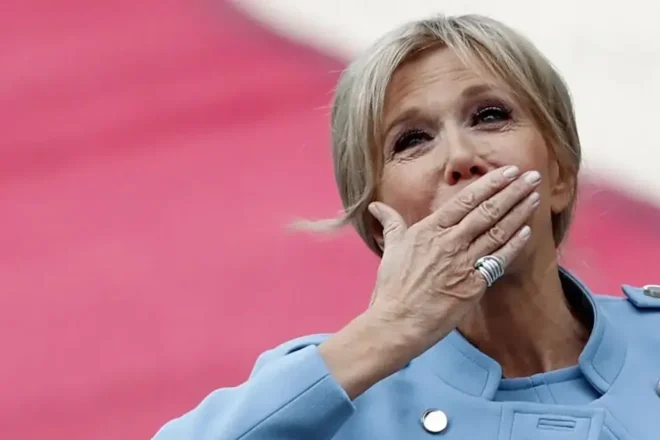
AFP / PR-ADN
French authorities have imposed significant penalties on individuals found guilty of cyberbullying Brigitte Macron, highlighting the seriousness with which such online harassment is now addressed in France’s legal system and the ongoing efforts to protect public figures from digital abuse.
TL;DR
- Ten convicted for cyberharassment against Brigitte Macron.
- Sanctions include prison, social media bans, mandatory training.
- Harassment fueled by rumors and conspiracy theories online.
An Unprecedented Verdict in Paris Court
A Parisian courtroom has marked a turning point in the ongoing battle against cyberharassment, issuing guilty verdicts to ten individuals accused of targeting Brigitte Macron, spouse of French President Emmanuel Macron. The verdict, which had been anticipated amid mounting public attention, responds to a persistent wave of online attacks combining personal insults with the spread of falsehoods about France’s First Lady.
The Anatomy of an Online Campaign
At the center of this case lies a particularly insidious rumor: the assertion that Brigitte Macron was born male and formerly known as “Jean-Michel Trogneux,” a name actually belonging to her elder brother. Such claims, part of a disturbing trend known as “transvestigation,” have gained traction on social networks in recent years. Far from being limited to attacks on transgender people, these conspiracies have become tools for undermining prominent cisgender figures as well. Additionally, the significant age difference—24 years—between Brigitte and Emmanuel Macron continues to fuel malicious speculation and commentary, underscoring the vulnerability of public figures to relentless digital scrutiny.
Tough Sentences for Digital Offenses
Those found guilty—a group comprised of eight men and two women—face a range of penalties. Several are required to serve up to eight months in prison. Others must attend mandatory courses on the dangers posed by online harassment. In an unusual move designed to curtail further abuse, five defendants have also lost access to their accounts on X (formerly Twitter) for six months. Several factors explain this decision:
- Deter future digital abuse targeting public personalities.
- Punish those responsible for orchestrating organized harassment campaigns.
- Raise public awareness about the real-world consequences of online actions.
Global Legal Ripples and Societal Reflections
The repercussions extend beyond France’s borders. Notably, Brigitte Macron has filed a defamation suit in the United States against conservative podcaster Candace Owens, who has continued repeating unsubstantiated claims regarding Macron’s gender since 2024. Owens’ public insistence—even staking her entire professional reputation—has further amplified debate over misinformation and personal attacks.
These interconnected legal battles highlight how vital it has become to address both harassment and disinformation in digital spaces, especially when influential figures find themselves in the crosshairs. The French court’s decisive response signals a growing international determination to rein in harmful online behavior and protect personal dignity in the internet age.