Call of Duty Owes Its Existence to Steven Spielberg’s Influence
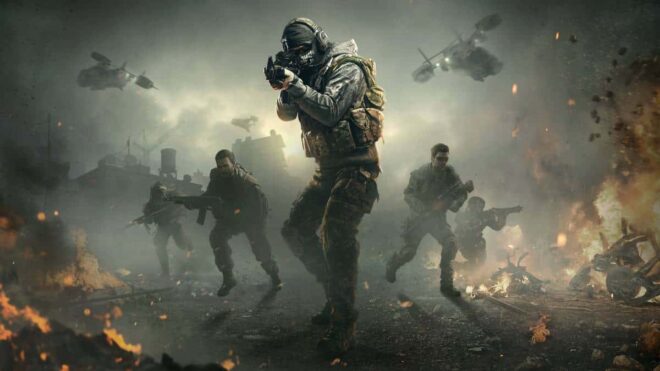
The blockbuster Call of Duty franchise owes its very existence to the influence of Steven Spielberg. The acclaimed filmmaker’s impact on video game history played a pivotal role in shaping what would become one of the world’s most successful gaming series.
TL;DR
A Cinematic Visionary’s Unexpected Impact
When discussing the legendary filmmaker Steven Spielberg, most people immediately think of his acclaimed movies like Jurassic Park or Saving Private Ryan. Yet few realize that his creative vision was instrumental in shaping the direction of the modern first-person shooter (FPS) genre in the world of video games. Notably, Spielberg’s influence can be traced from the birth of Medal of Honor all the way to the juggernaut franchise Call of Duty.
The Origins: From Normandy to Console Screens
Back in 1998, as Saving Private Ryan left its indelible mark on audiences with its raw depiction of the D-Day landings, Spielberg found himself reflecting on how young gamers engaged with history. After watching his son play GoldenEye on Nintendo 64, he began to envision an interactive experience that could bring WWII narratives to a new generation.
With this ambition, he approached DreamWorks Interactive, supported by Microsoft, pitching a concept that would blend historical authenticity and action—a far cry from typical shooters at the time. The result: Medal of Honor, which introduced bold elements such as non-violent missions—asking players to outsmart guards rather than simply overpower them.
The Domino Effect: From Medal of Honor to Call of Duty
Medal of Honor quickly became a critical and commercial triumph. However, backstage frictions soon emerged within development teams, particularly after Electronic Arts took over as publisher. A number of key figures—most notably Vince Zampella and Jason West—decided it was time for a change. Their departure led them straight to Activision, where they founded Infinity Ward and began working on what they dubbed the “MOH Killer.” By 2003, this vision materialized as the very first Call of Duty.
This transition wasn’t merely a change in logo or branding. The team brought significant advances:
- The rise of Infinity Ward through ex-Medal of Honor talent.
- Gameplay innovations like realistic aiming and smarter AI.
- A lasting influence on subsequent generations of shooters.
The Hollywood Dream That Never Was
Interestingly, Spielberg’s connection to these games didn’t end there. Long after shaping their origins, he reportedly hoped to direct a Call of Duty film adaptation for Activision—drawn by his admiration for the franchise’s single-player campaigns. Yet negotiations stalled; creative control demands and budgetary concerns proved insurmountable for Activision. Paramount ultimately picked up the project instead.
Even without a film bearing his name, Spielberg’s imprint on both cinema and gaming remains undeniable—a testament to how seamlessly artistic ambition can transcend media boundaries and reshape entire industries.