Cartoon Cat: The Terrifying Feline Redefining Horror Genre
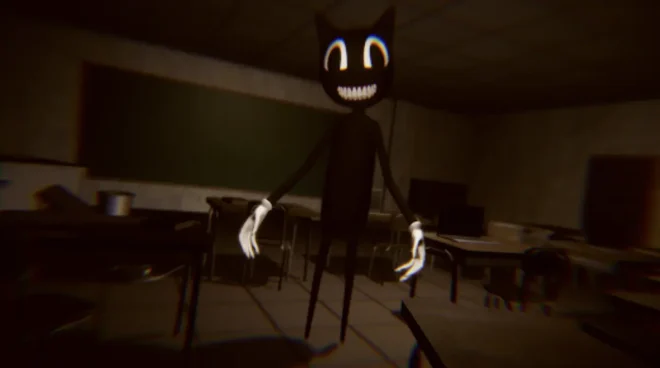
Cartoon Cat has emerged as a chilling figure in the horror genre, captivating audiences with its cursed presence. This sinister feline is redefining how fear is portrayed, offering a fresh and unsettling approach to modern horror storytelling.
TL;DR
- Sony invests in web-born horror, eyeing Cartoon Cat.
- Backrooms’ success sparks renewed studio interest.
- Siren Head previously attracted similar attention.
Web Horror: The Studios’ New Muse
The tremendous popularity of the online phenomenon known as the Backrooms has not only captivated internet audiences but has also piqued the interest of major studios. It’s hardly surprising, then, that a fresh wave of adaptations is underway, with established entertainment giants racing to secure rights to viral internet horrors.
Sony Eyes Cartoon Cat After Siren Head
In this vein, Sony recently made headlines by placing its bets on Cartoon Cat, a chilling creature that first slithered into public consciousness via the web. This follows the company’s previous involvement with another eerie online entity, Siren Head. Both characters originated from the creative mind of artist Trevor Henderson, and their distinct, unsettling designs have spurred countless fan theories and viral memes across social media.
The Viral Ascent of Internet-Born Horrors
Several factors explain this decision:
- Backrooms’ meteoric rise demonstrated market appetite for digital folklore.
- The vast online communities surrounding these creatures provide ready-made audiences.
- The relatively low production costs and high engagement levels make them appealing investments.
In particular, the transformation of online myths into mainstream cinema offers studios a chance to tap into an audience that craves both novelty and nostalgia—blending the rawness of internet storytelling with Hollywood polish.
A Strategic Gamble in Unpredictable Territory
While skeptics might question whether these digital nightmares can maintain their edge on the big screen, industry insiders suggest that such properties offer unique narrative freedoms. Unlike classic monsters with decades of lore, new icons like Cartoon Cat arrive unburdened by tradition—allowing for creative reinvention. That said, adapting fleeting web trends into lasting cultural phenomena remains a challenge.
For now, all eyes are on how studios like Sony will shape these modern legends. The next chapter in internet horror appears ready to unfold on screens far beyond its original digital playgrounds—a sign that for Hollywood, inspiration can come from even the strangest corners of the web.