Cash Bills Are Filled With Germs, Warns Microbiologist
ADN
A microbiologist has revealed that the cash we handle every day is teeming with microbes. This discovery raises new concerns about the potential health risks associated with banknotes in daily circulation.
TL;DR
- Banknotes carry invisible colonies of fungi and microbes.
- Risks increase for vulnerable individuals or poor hand hygiene.
- Proper handwashing reduces potential health hazards.
The Hidden Microbial World Inside Your Wallet
What most people see as a symbol of safety—the humble wallet—actually conceals a microscopic reality, according to recent findings by microbiologist Dr Shweta. While banknotes and coins serve as trusted vessels for our finances and daily memories, their surfaces tell another story, one rarely noticed by the naked eye.
A Laboratory Glimpse: Visualizing the Unseen
Inside her laboratory, Dr Shweta pressed an ordinary banknote onto a culture plate. After a period of incubation, the result was both arresting and enlightening: tufts of colored fungal colonies blossomed across the plate, each adopting distinct shapes and hues. This visual evidence, usually reserved for specialists, gives tangible form to what experts refer to as “invisible dirt“. Suddenly, the familiar bill transforms into a miniature forest of mold—offering an unexpected lesson in everyday microbiology.
Money as a Microbial Vector
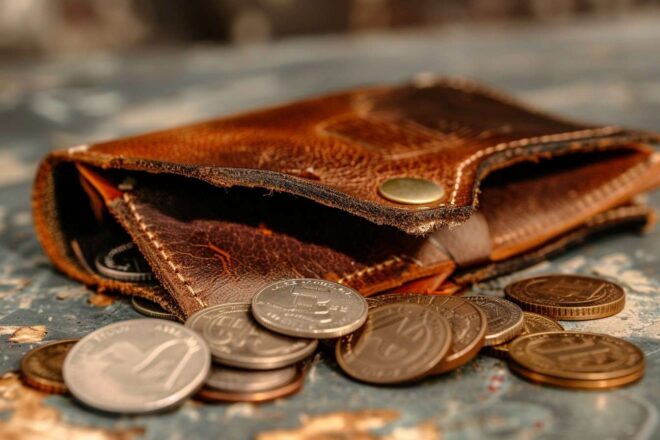
But why do banknotes and coins prove such fertile ground for microbial life? Their journey is instructive: circulating through supermarkets, buses, hospitals, street vendors—these objects rarely undergo cleaning or disinfection. The unique properties of paper currency, from its fibrous texture to specialized inks and tiny crevices on coins, create ideal refuges for bacteria and fungi alike. Add in the warmth of pockets or ambient humidity, and the conditions become optimal for microbial survival.
For most healthy individuals, brief contact with contaminated money poses limited risk. However, experts caution that those with compromised immune systems—such as diabetics or people with chronic illnesses—are more vulnerable to infection. Problems can escalate if contaminated hands touch the face, food items, or open wounds.
Everyday Habits to Reduce Risks
To mitigate these hidden hazards without fostering undue anxiety, Dr Shweta emphasizes straightforward hygiene routines. Several factors explain this approach:
- Wash hands thoroughly after handling cash.
- Avoid touching your face or food directly afterward.
- If soap and water are unavailable, use alcohol-based sanitizers.
This scientific insight reframes routine transactions: every payment becomes an encounter with an invisible ecosystem best managed through diligent hand hygiene. Adopting such simple habits allows us to handle cash confidently while safeguarding both our own health and that of those around us.